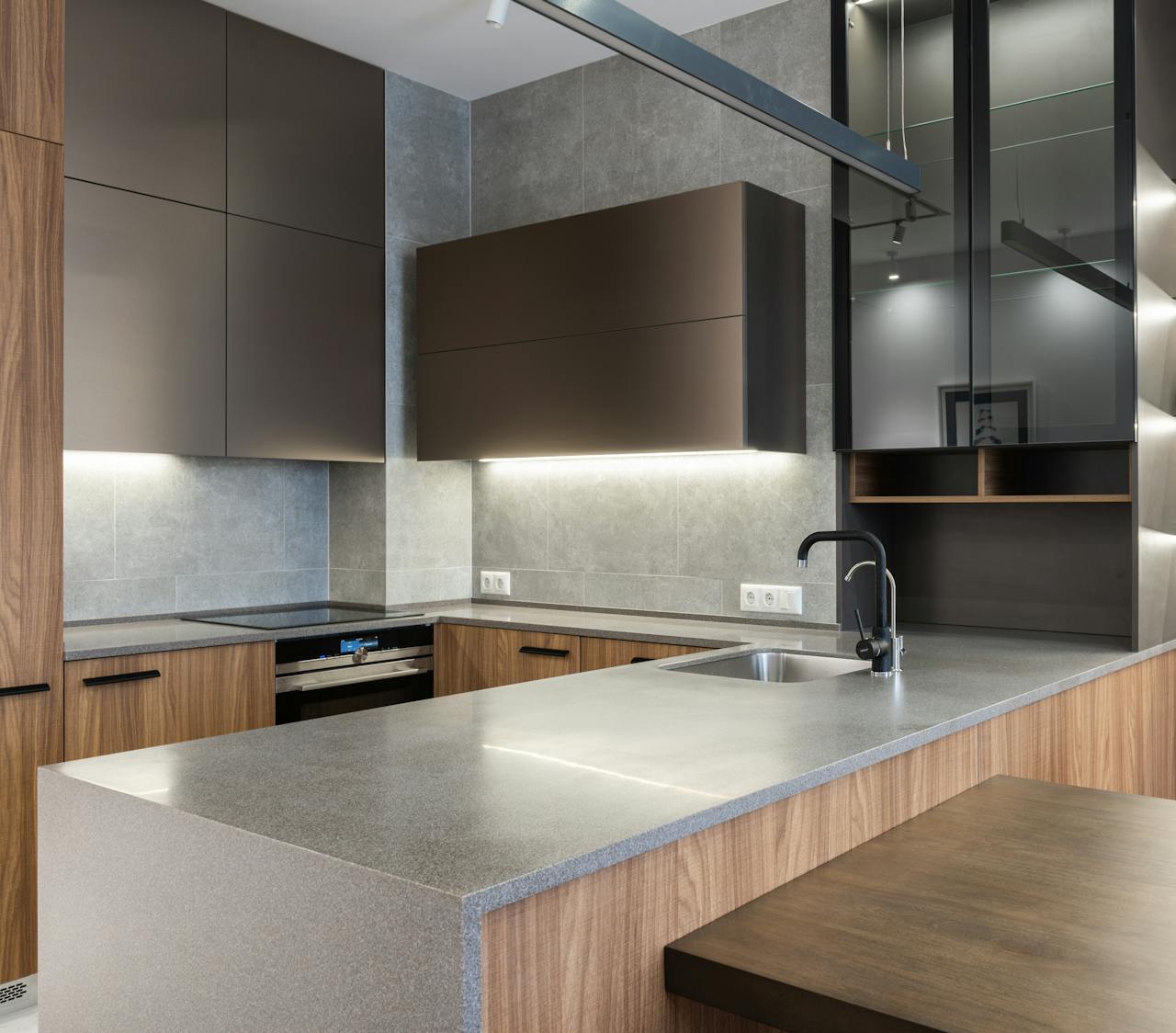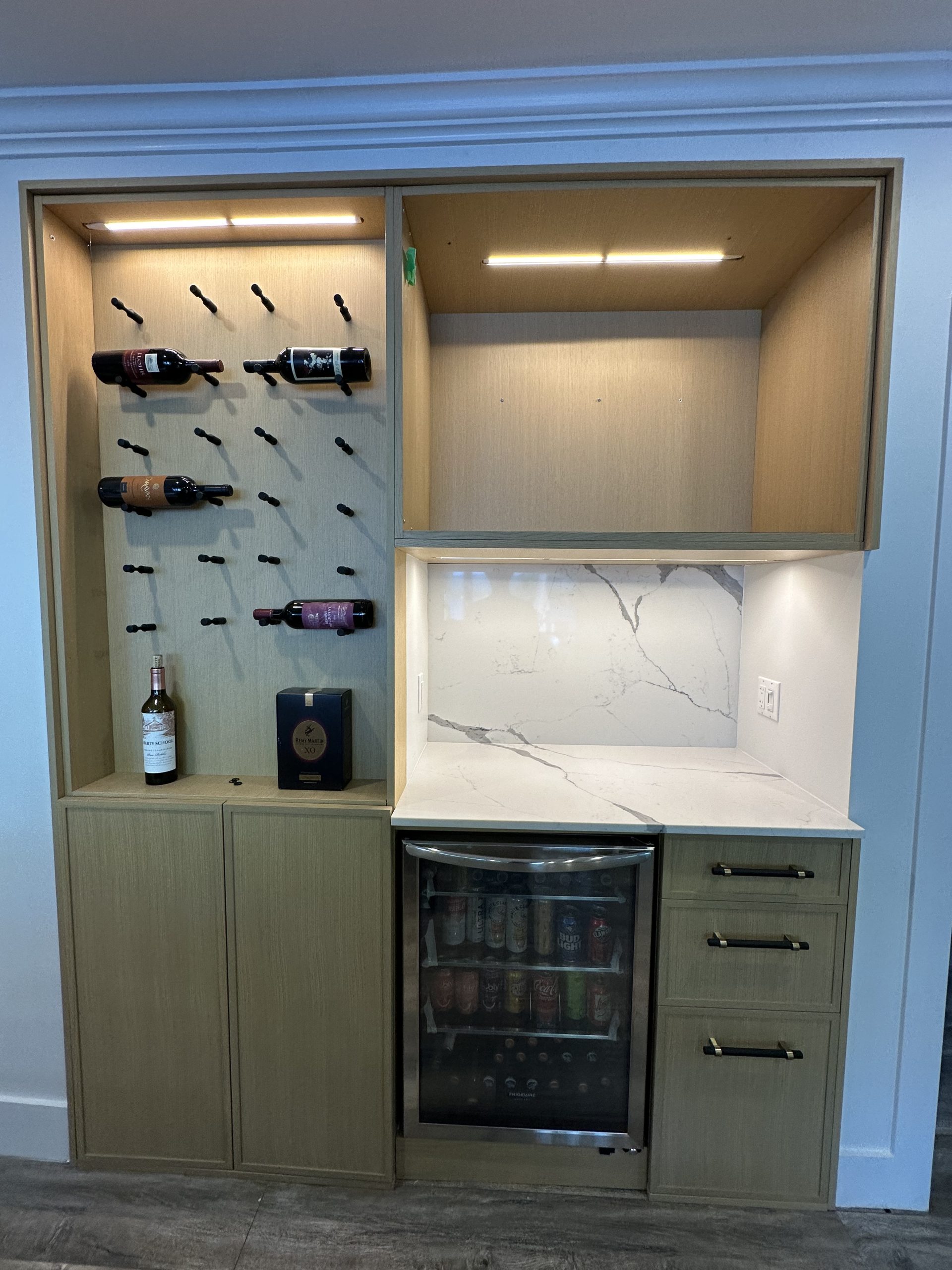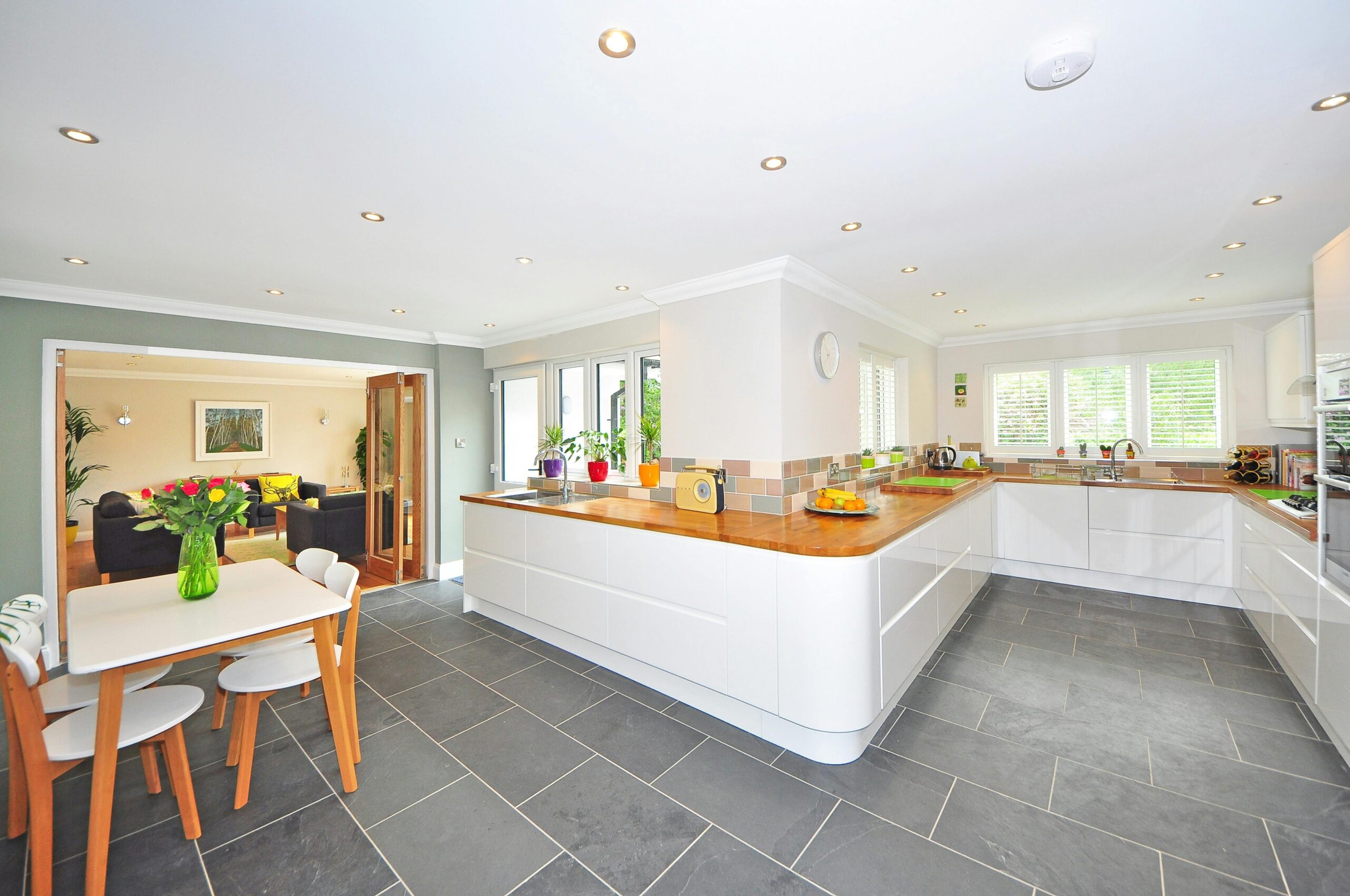
I researched online timelines, watched renovation videos, asked friends, and thought I had a solid understanding of how long everything would take. In my mind, I imagined a smooth, linear timeline: demolition, installation, painting, countertops, and done.
What I didn’t expect was how different the real timeline would be once the renovation actually started.
Living through a kitchen remodel taught me something important: timelines are not one-size-fits-all — especially not in Cumberland, where home layouts, older construction quirks, and material availability can add unexpected steps. There are phases you can’t rush, decisions you must make at the right time, and moments where patience is the only option.
This is the honest timeline of what happened during my Cumberland kitchen renovation — the surprises, the slowdowns, the breakthroughs, and the lessons I learned about how long a kitchen remodel really takes.
What I Thought Would Take Weeks Took Months — And What I Thought Would Take Months Took Days
Before this remodel, I assumed the timeline followed a predictable flow:
- Week 1: Design + ordering
- Week 2: Demolition
- Week 3: Cabinets
- Week 4: Countertops
- Week 5: Backsplash + finishes
Simple. Straightforward. Efficient.
But real renovations don’t work that way.
Certain steps will move faster than you think — and others will take far longer than anyone warns you about. The trick is understanding why each phase takes the time it does, so you’re not blindsided like I was.
Phase 1: The Design Stage Took Longer Than Expected — And It Was Worth Every Minute
Designing a Kitchen Is Not a One-Meeting Process
I expected to walk into a design meeting with my ideas and walk out with a complete plan. In reality, the design phase unfolded through several rounds of edits, considerations, and refinements.
I had to think about:
- Cabinet layout
- Storage zones
- Lighting placement
- Quartz countertop selection
- Backsplash alignment
- Appliance measurements
- Workflow efficiency
- Colour palette and undertones
Every small decision impacted another.
Why the Design Phase Is So Important
The design stage ended up being the most valuable part of the renovation. It determined:
- How seamless the workflow would be
- How accessible the storage would feel
- How the quartz would align with cabinet height
- How the kitchen would look under Cumberland’s natural light
Had I rushed the design, I would have made mistakes that would cost far more time later.
Phase 2: Ordering Materials Was a Lesson in Patience
Custom Cabinets Take Time — And They Should
I chose custom cabinetry because I wanted my storage to match my workflow. But custom means made-to-order — and that adds time. My cabinets took several weeks longer than I expected. At first, it frustrated me, but later I realized:
- Custom finishes require curing
- Hardware needs precise fitting
- Drawers, doors, and boxes are built from scratch
- Quality takes time
The result was worth the wait.
Quartz Countertops Require Their Own Timeline
I didn’t realize that quartz countertops cannot be fabricated until after cabinets are installed. That means you cannot pre-order them months in advance hoping to speed things up.
The timeline naturally breaks down like this:
- Cabinets installed
- Quartz templating
- Quartz fabrication
- Quartz installation
Templating alone took a few hours.
Fabrication took nearly two weeks.
Installation took a day.
But trying to rush this is impossible — quartz requires precision.
Phase 3: Demolition – Fast, Loud, and Surprising
Demo Was the Fastest Phase of My Cumberland Remodel
Demolition was shockingly quick. What took me years to dislike was removed in a single day. The old cabinets, countertops, backsplash, flooring, and unnecessary bulkheads came down swiftly.
But then came the unexpected surprises.
What We Found Behind the Walls
My home in Cumberland, like many older homes, had:
- Wiring installed decades ago
- Non-standard plumbing routes
- Outdated electrical boxes
- A vent run that made no sense
- Wall irregularities hidden by cabinets
Every one of those discoveries added time — not because of delays, but because safety and functionality must come before aesthetics.
I learned firsthand that demo is fast. Fixing what demo reveals is slow.
Phase 4: Electrical and Plumbing Rough-Ins Took Longer Than I Expected
This Stage Depends on the Age of Your Home
Modern appliances, lighting, and plumbing fixtures require updated infrastructure. In Cumberland’s older homes, this phase isn’t optional — it’s essential.
Here’s what delayed my renovation:
- Adding under-cabinet lighting
- Moving outlets to new cabinet heights
- Updating old electrical connections
- Installing new circuits for appliances
- Adjusting plumbing for sink relocation
These changes made the kitchen safer and more functional, and although they added several days to the timeline, I wouldn’t trade the improvements.
Phase 5: Cabinet Installation Was the Moment the Kitchen Finally Felt Real
The Day Cabinets Arrived, Everything Felt Closer
Once the custom cabinets finally arrived, the installation process began — and this was the moment I could finally visualize the new kitchen.
But custom cabinetry isn’t just placed — it’s leveled, aligned, and fitted with precision.
Why Cabinet Installation Isn’t as Quick as People Think
Every cabinet must be:
- Mounted level
- Aligned perfectly with the rest
- Secured to studs
- Adjusted so doors and drawers sit flush
- Checked for smooth glide and closure
Because my cabinets stretched to the ceiling, installers had to adjust crown molding, scribing, and filler panels to make everything look seamless.
It took several days — and every hour mattered, because the cabinets determine how the quartz sits.
Phase 6: Quartz Templating and Fabrication — The Waiting Game
Why Quartz Can’t Be Measured Early
Quartz fabrication depends on perfectly installed cabinets. Even a few millimeters off could cause misalignment. Once the templaters arrived, they measured down to the millimeter using specialized tools.
Fabrication Took Time, But Precision Was Worth It
Quartz isn’t cut on-site. It’s custom-fabricated in a shop. My slab had:
- Veining that needed to align
- Seam placement that required planning
- Edge profiles that needed consistency
This took about two weeks — longer than I hoped, but necessary to guarantee a flawless fit.
Installation Day Was Fast and Transformative
Once ready, the quartz installation was shockingly quick — a few hours — but the difference it made to the kitchen was immediate. The entire room brightened, expanded visually, and suddenly felt finished.
Phase 7: Backsplash, Paint, and Finishing Touches Took Longer Than Expected
Backsplash Installation Requires Patience
Even though quartz is easy to install, the backsplash required careful planning:
- Measuring the height
- Ensuring outlets aligned
- Cutting tiles accurately
- Grouting and drying
Finishing touches always take time — more than the major phases.
Painting a Newly Renovated Kitchen Isn’t Simple
Painters need to work around:
- Cabinets
- Trim
- Fixtures
- New drywall patches
- Lighting installations
Paint isn’t just colour — it seals the renovation.
Hardware, Trim, and Final Adjustments
These tiny details took days, not hours. Every handle was measured. Every hinge was tightened. Every drawer glide was tested.
The Real Timeline: What I Experienced in My Cumberland Kitchen Remodel
Here’s the breakdown of how long each phase actually took:
My actual timeline looked like this:
- Design: 3–4 weeks
- Ordering materials: 6–10 weeks (depending on supply chain)
- Demolition: 1–2 days
- Plumbing & electrical: 3–5 days
- Cabinet installation: 3–7 days
- Quartz templating: 1 day
- Quartz fabrication: 10–14 days
- Quartz installation: 1 day
- Backsplash & finishing: 4–7 days
Altogether, my renovation took about 8–12 weeks, depending on small adjustments along the way.
The Biggest Lessons I Learned About Kitchen Renovation Timelines
Lesson 1: The Kitchen Is Out of Commission Longer Than You Expect
Even with planning, there will be days when the kitchen can’t be used. Preparing for this mentally and practically makes the renovation less stressful.
Lesson 2: Custom Work Adds Time — But Delivers Results
Custom cabinets and quartz aren’t rushed. They take time because they’re made specifically for your home.
Lesson 3: Small Delays Aren’t Failures — They’re Normal
Weather, supply chain, older homes, and design adjustments all add small delays.
Lesson 4: The Waiting Period Before Quartz Is Worth It
You can’t rush templating and fabrication. The precision is what gives quartz its perfected look.
Lesson 5: Finishing Touches Take Longer Than Anyone Expects
Painting, hardware, trim, caulking — these steps refine the look and shouldn’t be rushed.
Final Thoughts: The Real Truth About Kitchen Renovation Timelines
My Cumberland kitchen renovation taught me that timelines are flexible, not fixed. The process is more about sequencing than speed. Every phase depends on the precision of the one before it. And while the renovation took longer than I originally imagined, the result was worth every day of waiting.
Quartz elevated the space.
Custom cabinets transformed the workflow.
Thoughtful design made cooking easier.
And the timeline — even with delays — ensured everything was done correctly.
Looking back now, I wouldn’t rush a single step.
A kitchen renovation isn’t just about the final look — it’s about the quality that lasts for years.
And the timeline is part of that quality.