For years, I blamed my cooking frustrations on everything except the real issue. I blamed my cabinets. I blamed the appliances. I blamed the lighting. I blamed the lack of storage. But the truth became painfully clear the day I started planning my Ottawa kitchen renovation: the layout itself was the real problem.
My kitchen wasn’t small — it was simply arranged badly. Every task required extra steps. Every meal felt like a juggling act. I couldn’t prep efficiently. I couldn’t keep the space organized. And the longer I lived with that layout, the more I realized how much time and energy it was wasting.
I knew that if I wanted a kitchen that actually supported the way I cooked, the very first thing that needed fixing was the layout. Not the cabinets. Not the countertops. Not the décor. The layout was the backbone, and mine didn’t have the structure to support functionality or flow.
This remodel became the turning point. By redesigning the layout intentionally — using real workflow principles, thoughtful zoning, and modern design strategies — I created a kitchen in Ottawa that finally works seamlessly, both visually and functionally. And it transformed the way I cook every single day.
This is the full story of how I designed a layout that made my kitchen a place of ease instead of frustration.
Why My Old Layout Made Cooking Harder Than It Needed to Be
Constant Back-and-Forth Made Simple Tasks Frustrating
Before the renovation, my sink, stove, and fridge were arranged in a way that forced me to zigzag across the kitchen constantly. Even basic tasks like boiling pasta or preparing vegetables required several unnecessary steps.
Nothing felt intuitive. Nothing flowed.
Prep Space Was in the Wrong Place
My prep area was out of the way, shoved between the sink and a corner cabinet. It was dark, cramped, and far away from the waste bin, cutting boards, and spices I needed regularly.
I realized how inefficient this was only after planning the new layout.
Traffic Flow Was Chaotic
Whenever someone stepped into the kitchen — to grab a drink, help cook, or pass through — the entire room felt congested. The workflow had no logic, so traffic naturally crossed through the most critical areas.
Appliances Were Poorly Positioned
My dishwasher blocked access to lower cabinets when open. The fridge door hit the pantry cabinet. The stove was too close to a wall, limiting movement.
Every appliance placement made daily tasks feel more restricted.
The Mindset Shift: Thinking of the Kitchen as a Workflow, Not a Room
The First Major Realization
A kitchen layout isn’t about placing cabinets and appliances randomly. It’s about designing a workflow — a sequence of movements that should feel natural, efficient, and effortless.
Cooking requires movement. And bad layouts make every movement harder.
Understanding the Zones That Matter Most
Before designing anything, I had to rethink the kitchen in four functional “zones”:
- Prep zone — where cutting, mixing, and prepping happens
- Cooking zone — stove, oven, spices, pots, pans
- Cleaning zone — sink, dishwasher, waste bin
- Storage zone — pantry items, utensils, cookware
Once I saw my kitchen in zones instead of “cabinets and appliances,” everything clicked.
How I Designed a Seamless, Efficient Kitchen Layout
Step 1: Perfecting the Work Triangle
The modern work triangle may seem old-fashioned, but when you live with a layout that violates it, you immediately understand its purpose.
The triangle connects:
- Sink
- Stove
- Refrigerator
My old triangle was lopsided and inefficient. I redesigned these three elements so each side of the triangle supported the next — without long walking distances or tight corners.
This change alone made my kitchen dramatically easier to use.
Step 2: Creating a True Prep Zone (My Biggest Improvement)
My old prep space was too small and poorly located. In the redesign, I made prep space the center of the layout, not an awkward leftover section.
I placed it:
- Near the fridge
- Close to the sink
- Beside a large bank of drawers
- With direct access to knives, boards, bowls, and spices
Prep now feels natural, spacious, and efficient.
Step 3: Adding Functional Drawers and Cabinets Where They Matter
Instead of placing drawers randomly, I placed them based on what I needed near each zone:
- Pots and pans near the stove
- Utensils near the prep area
- Plates near the dishwasher
- Spices beside the cooktop
- Cutting boards near the prep zone
- Clean-up items near the sink
This shift made my storage intuitive — not decorative.
Step 4: Adjusting Appliance Placement for Real-Life Use
I moved appliances into positions that improved flow:
- The dishwasher now opens without blocking cabinets
- The fridge doors open toward the prep area
- The stove has space on each side instead of being trapped
- The microwave is positioned at a safer, more convenient height
These changes eliminated the frustration I once thought was “normal.”
How Quartz Countertops Helped Create a Seamless Layout
Quartz Created Wide, Continuous Work Surfaces
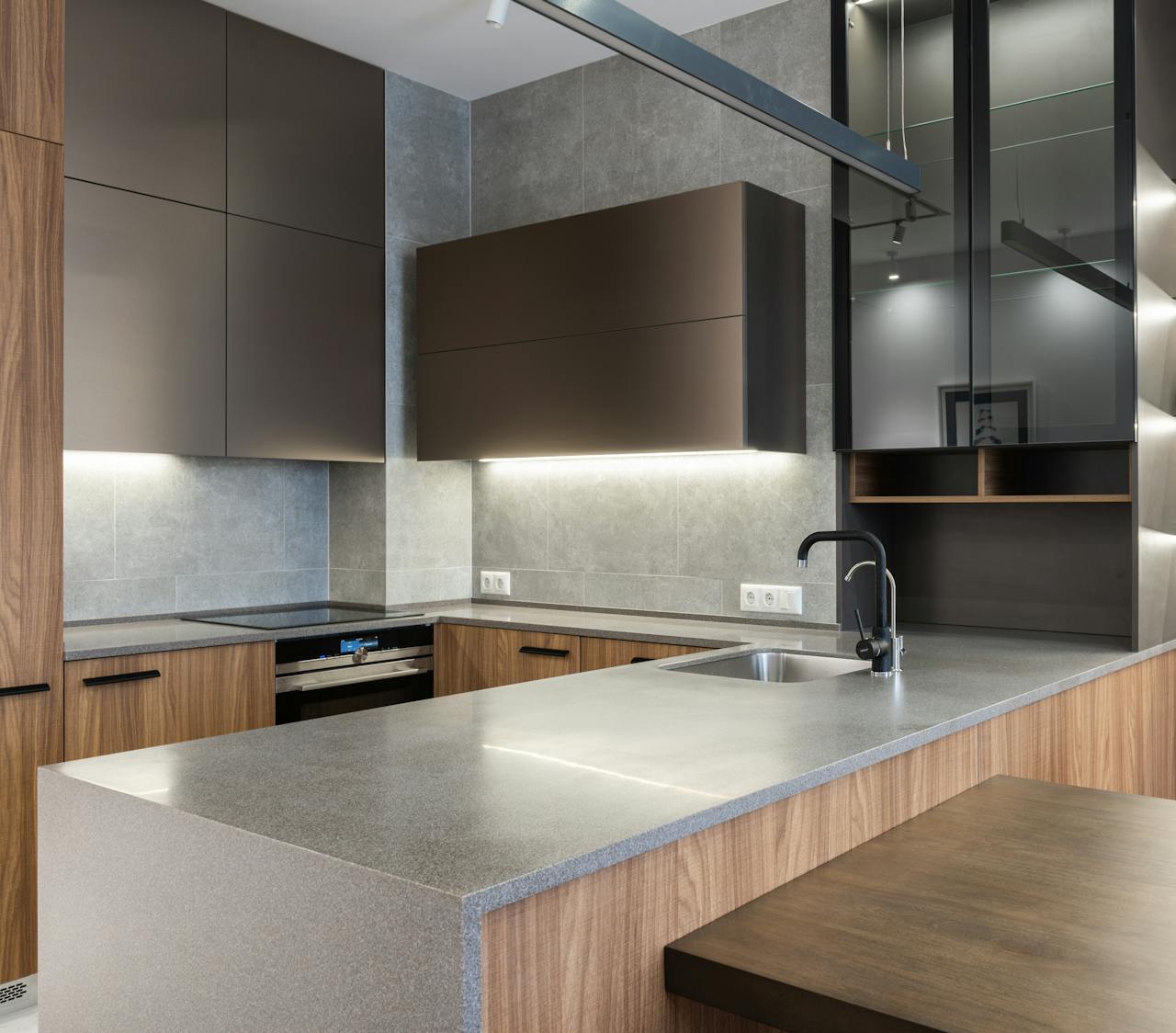
One of the biggest advantages of quartz was the uninterrupted workspace it gave me. Because quartz slabs can be large and seamless, I finally had long stretches of counter space that supported real cooking.
It helped me:
- Prep comfortably
- Spread out ingredients
- Use multiple small appliances without clutter
- Keep work areas clean and organized
Quartz wasn’t just a surface — it became a foundation for my workflow.
Light Reflection Improved Visibility Across the Layout
Ottawa kitchens don’t always get consistent natural light, especially during winter months. Quartz helped brighten my kitchen by reflecting both artificial and natural light, making navigation and prep easier.
Quartz Allowed Me to Create Clear Zones Without Visual Clutter
Because quartz comes in consistent patterns and tones, it visually unified the entire layout. It made the transitions between zones feel seamless instead of choppy.
Small Design Choices That Made a Huge Impact
I Added a Kitchen Island That Changed Everything
The island wasn’t just a design feature — it became a functional anchor.
It now serves as:
- My main prep zone
- A serving area
- A casual dining space
- Additional storage
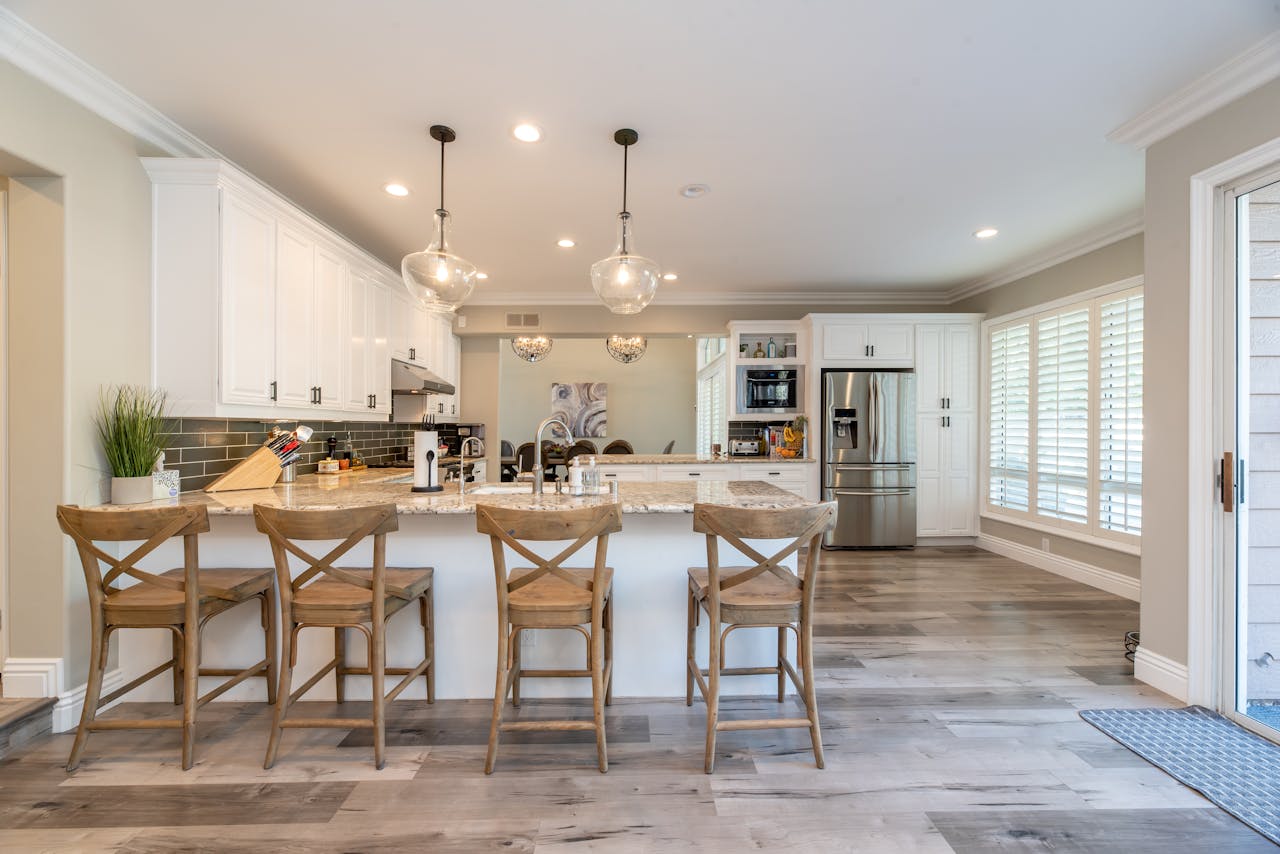
- A visual centerpiece
The island improved workflow more than any single design change.
I Opted for Deep Drawers Instead of Lower Cabinets
Deep drawers allow me to pull items toward me instead of crouching and reaching into dark spaces. They made storing cookware effortless.
I Added Under-Cabinet Lighting for Precision and Visibility
This small upgrade:
- Improved meal prep
- Highlighted the quartz countertop
- Added a modern glow
- Eliminated dark shadows
It made every zone easier to use.
The Hidden Layout Mistakes I Avoided (Thanks to Planning)
Here are the mistakes I avoided — mistakes that used to define my old Ottawa kitchen:
Mistakes I avoided by redesigning my layout:
- Placing the dishwasher where it blocked cabinet access
- Putting the stove too close to a wall
- Creating traffic flow through the prep zone
- Having only one small section of usable counter space
- Storing everyday tools too far from where I actually needed them
- Choosing decorative elements over functional placement
- Ignoring how natural light would interact with quartz and cabinetry
Avoiding these mistakes made my layout feel intentional and efficient.
How the New Layout Changed the Way I Cook
Cooking Became Faster and More Enjoyable
For the first time, I could move naturally through the kitchen. Prep flowed into cooking. Cooking flowed into cleaning. Everything made sense.
I Cook More Often Now
When a kitchen supports your habits, cooking becomes enjoyable. I find myself cooking more frequently simply because the space feels effortless.
Cleanup Became Easier and Less Stressful
The cleaning zone is separate from the prep zone, so I can wash dishes without disrupting meal prep. Quartz also made wiping down surfaces incredibly fast.
Hosting Guests Became Fun Again
People naturally gather around the island, leaving the main workflow rid of foot traffic. The layout supports cooking and socializing at the same time.
Why the Layout Matters More Than Cabinet Style or Décor
A Beautiful Kitchen Without a Good Layout Is Still a Bad Kitchen
I learned a simple truth:
If the layout doesn’t work, nothing else matters.
Not the cabinet finish.
Not the backsplash.
Not the appliances.
Not the décor.
The layout determines how the kitchen feels — not just how it looks.
Quartz and Custom Layout Work Hand in Hand
Quartz amplified the layout changes because the surface tied everything together, supported wide work areas, and brightened the zones I use most.
Final Thoughts: Designing a Seamless Kitchen Layout Transformed Everything
Fixing the layout was the most impactful decision in my Ottawa kitchen renovation. It changed:
- How I prep
- How I cook
- How I clean
- How I host
- How I move through the space
- How I enjoy my kitchen every single day
Quartz elevated the design, but the layout is what made the kitchen functional. Together, they created a room that finally feels effortless — a space where cooking isn’t a chore, but something I genuinely enjoy.
My kitchen is now bright, organized, seamless, and efficient. And for the first time, it finally works the way it should have from the very beginning.