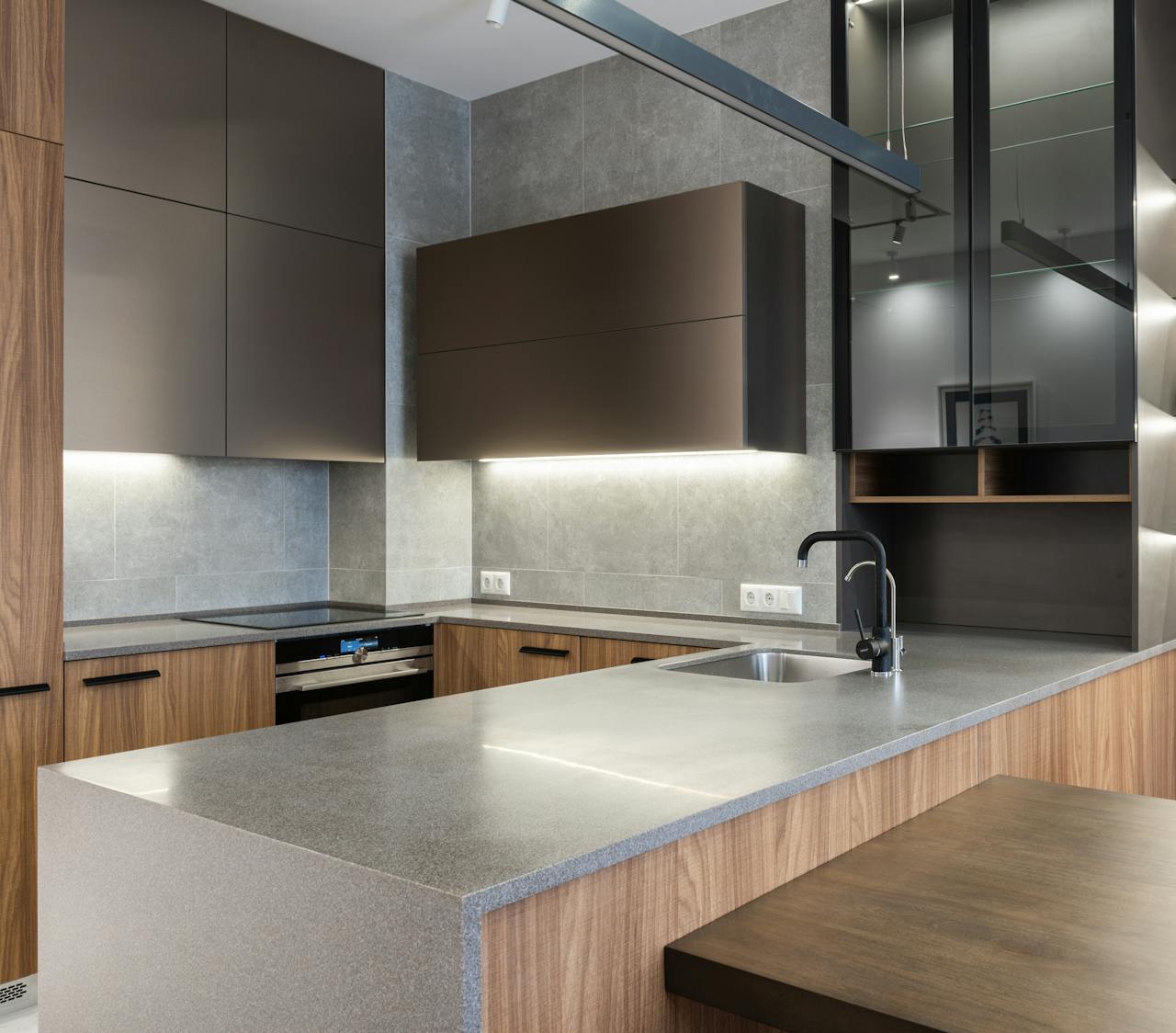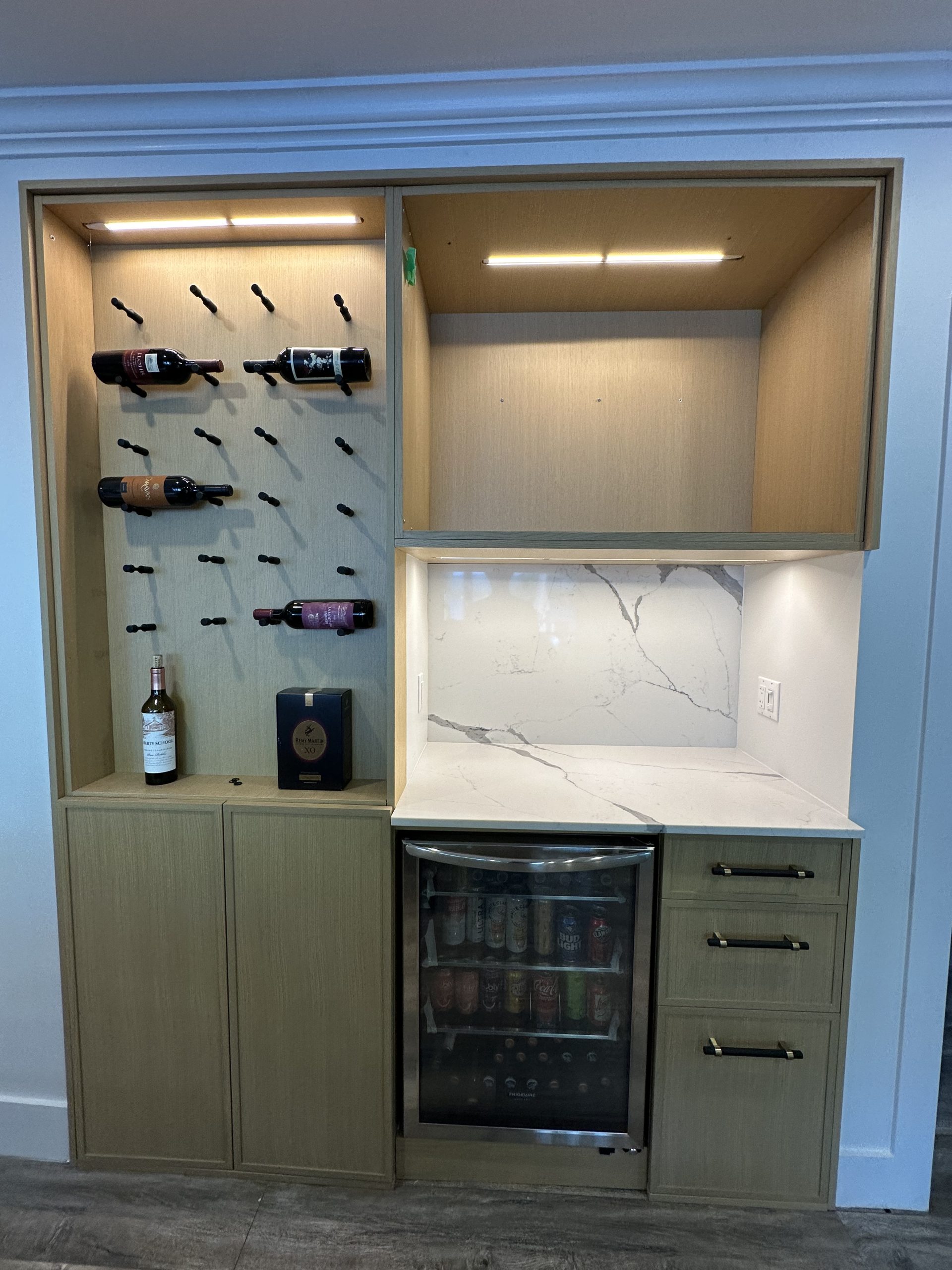
When homeowners in Rockland contact me about kitchen renovations, one concern comes up again and again: space. Many people assume their kitchen is simply too small, poorly laid out, or limited by the footprint of the home. In reality, the issue is rarely square footage.
The real issue is inefficient cabinet planning.
I’ve worked with Rockland kitchens of all sizes, from compact layouts to larger open-concept spaces, and I’ve learned that most kitchens already have enough space. What they lack is intelligent storage design, proper cabinet placement, and a system that supports how the kitchen is actually used.
Smart cabinet planning can completely change how a kitchen feels. It can make a modest-sized kitchen feel open, organized, and highly functional without moving a single wall. That’s why cabinet design is always my starting point when the goal is to maximize kitchen space in Rockland homes.
This blog explains exactly how I approach cabinet planning to unlock hidden space, eliminate wasted areas, and create kitchens that feel larger, cleaner, and easier to use every day.
Why Cabinet Planning Is the Key to Maximizing Kitchen Space
Many kitchens appear small because storage is working against them. Cabinets are too shallow in some places, too deep in others, poorly organized internally, or placed without regard for workflow. When cabinets don’t align with how a kitchen is used, clutter builds up, counters fill quickly, and the room feels tight.
Smart cabinet planning does three critical things:
• It increases usable storage without increasing footprint
• It clears countertops by giving everything a proper place
• It improves flow so the kitchen feels open rather than congested
In Rockland homes, where kitchens often serve as both functional and social spaces, these improvements make a noticeable difference immediately.
My First Step: Understanding How the Kitchen Is Used
Why I Never Start With Cabinet Styles
Before discussing finishes or door profiles, I focus on behavior. Cabinets must support daily routines, not fight them.
I take time to understand:
• Who uses the kitchen most often
• How many people cook at the same time
• Where prep naturally happens
• What items are used every day
• What currently causes frustration
• Where clutter tends to accumulate
This insight allows me to design cabinets that actually solve problems instead of adding to them.
Designing Around Real Habits
Two kitchens with identical layouts may need completely different cabinet solutions depending on how the household cooks, shops, and stores items. Smart planning means tailoring storage to real habits, not assumptions.
Why Layout Always Comes Before Cabinet Details
The Layout Dictates How Space Is Experienced
A poorly planned layout makes even large kitchens feel small. In Rockland homes, common layout challenges include:
• Inefficient corner cabinets
• Limited uninterrupted counter space
• Cabinets blocking appliance doors
• Narrow walkways
• Poor relationship between prep and storage
Cabinet planning must address these issues at the layout level before focusing on finishes.
Creating Clear Zones Through Cabinet Placement
I plan cabinets to support clear functional zones:
• Prep zone
• Cooking zone
• Cleaning zone
• Storage zone
When cabinets align with these zones, movement becomes smoother and the kitchen feels less crowded.
Using Drawers to Replace Traditional Lower Cabinets
Why Drawers Are the Most Effective Space-Saving Tool
One of the most impactful changes I make in Rockland kitchens is replacing lower cabinets with deep, full-extension drawers. This single decision dramatically improves space efficiency.
Drawers offer:
• Full visibility of contents
• Easy access without bending
• Better organization
• Safer storage for heavy items
Traditional lower cabinets waste space because items get stacked and forgotten. Drawers eliminate that problem.
What I Typically Store in Drawers
• Pots and pans
• Mixing bowls
• Containers
• Dishware
• Small appliances
• Baking supplies
This keeps frequently used items accessible and clears visual clutter from the kitchen.
Maximizing Vertical Space With Ceiling-Height Cabinets
Why Upper Cabinet Height Matters
Many Rockland kitchens have cabinets that stop well short of the ceiling. That unused space collects dust instead of providing storage.
Whenever possible, I design cabinets that extend to the ceiling. This:
• Adds significant storage
• Makes the kitchen feel taller
• Eliminates visual breaks
• Creates a more finished appearance
Vertical space is one of the most overlooked opportunities in kitchen design.
Using Upper Storage Strategically
Top shelves are ideal for:
• Seasonal items
• Large serving pieces
• Backup pantry items
• Appliances used occasionally
This keeps daily-use storage easily accessible while still maximizing total capacity.
Solving the Corner Cabinet Problem
Why Corners Often Waste Space
Corner cabinets are notorious for being inefficient. Items get lost in the back, stacked awkwardly, or ignored entirely.
How Smart Cabinet Planning Fixes Corners
Instead of leaving corners as dead zones, I design solutions that bring storage outward rather than forcing homeowners to reach inward.
Proper corner planning turns previously wasted space into functional storage that supports daily use.
Designing Cabinets Around the Countertop, Not Against It
Why Cabinets and Countertops Must Work Together
Cabinet planning directly affects how countertops are used. Poor cabinet design often leads to fragmented counter space and cluttered surfaces.
When planning cabinets, I ensure:
• Prep areas have uninterrupted counter runs
• Storage is located directly below prep zones
• Appliances don’t break counter continuity unnecessarily
• Seating areas don’t interfere with workflow
This approach maximizes both storage and usable surface area.
How Quartz Supports Space Optimization
Quartz countertops enhance space efficiency by:
• Providing continuous, seamless surfaces
• Reflecting light to visually expand the room
• Requiring minimal maintenance
• Supporting heavy daily use
When paired with smart cabinetry, quartz helps kitchens feel brighter and more open.
Internal Cabinet Organization Makes or Breaks Space Efficiency
Why Interior Design Matters as Much as Exterior Design
Even well-placed cabinets fail if the interior is poorly organized. Smart cabinet planning includes interior features that maximize usable space.
I design interiors that prioritize:
• Visibility
• Accessibility
• Flexibility
• Weight distribution
This ensures every inch inside the cabinet is usable.
Examples of Interior Features That Improve Space
• Adjustable shelving
• Vertical dividers for trays and boards
• Pull-out pantry shelves
• Built-in waste and recycling
• Appliance garages to clear counters
These features prevent clutter and keep surfaces clear.
Reducing Countertop Clutter Through Cabinet Planning
Why Clear Counters Make Kitchens Feel Larger
A kitchen with cluttered counters always feels smaller than it is. Smart cabinet planning moves items off the counter and into proper storage.
I design cabinets to store:
• Small appliances
• Cooking tools
• Pantry items
• Cleaning supplies
This instantly makes the kitchen feel more open and organized.
Appliance Storage as a Space-Saving Strategy
Hidden appliance storage keeps frequently used items accessible without sacrificing visual space. This is especially effective in Rockland kitchens with limited counter area.
Lighting and Cabinet Design Work Together
Why Lighting Affects Perceived Space
Poor lighting makes kitchens feel smaller. Cabinet placement affects how light moves through the room.
I plan cabinets with lighting in mind to:
• Reduce shadows
• Improve task visibility
• Reflect light off quartz surfaces
• Enhance depth and openness
Under-cabinet lighting plays a major role in making kitchens feel larger.
Avoiding Common Cabinet Planning Mistakes
Through experience, I intentionally avoid mistakes that make kitchens feel cramped:
• Using too many shallow cabinets
• Wasting vertical space
• Designing storage without considering use frequency
• Ignoring workflow patterns
• Overloading upper cabinets visually
• Fragmenting counter space unnecessarily
• Treating cabinets as decoration instead of infrastructure
Avoiding these mistakes is key to maximizing space effectively.
How Smart Cabinet Planning Changes Daily Life
When cabinet planning is done correctly, homeowners notice immediate improvements:
• Cooking feels easier
• Cleanup is faster
• Storage stays organized
• Counters remain clear
• Movement feels natural
• The kitchen feels calmer
These changes make the kitchen feel larger without increasing square footage.
Why This Approach Works Especially Well in Rockland Homes
Rockland homes often feature family-oriented kitchens that see heavy daily use. Smart cabinet planning supports this lifestyle by creating durable, efficient spaces that adapt to real life.
By focusing on layout, vertical space, drawer systems, interior organization, and integration with quartz countertops, I consistently help homeowners unlock space they didn’t realize they already had.
Final Thoughts: Smart Cabinet Planning Is the Most Effective Way to Maximize Kitchen Space
Maximizing kitchen space in Rockland homes doesn’t require tearing down walls or expanding the footprint. It requires thoughtful cabinet planning that aligns storage, layout, and workflow.
By designing cabinets intentionally — from the inside out — I help homeowners achieve kitchens that feel larger, cleaner, and easier to live in every single day.
Smart cabinet planning transforms kitchens not by adding space, but by using space correctly.
And in Rockland homes, that makes all the difference.