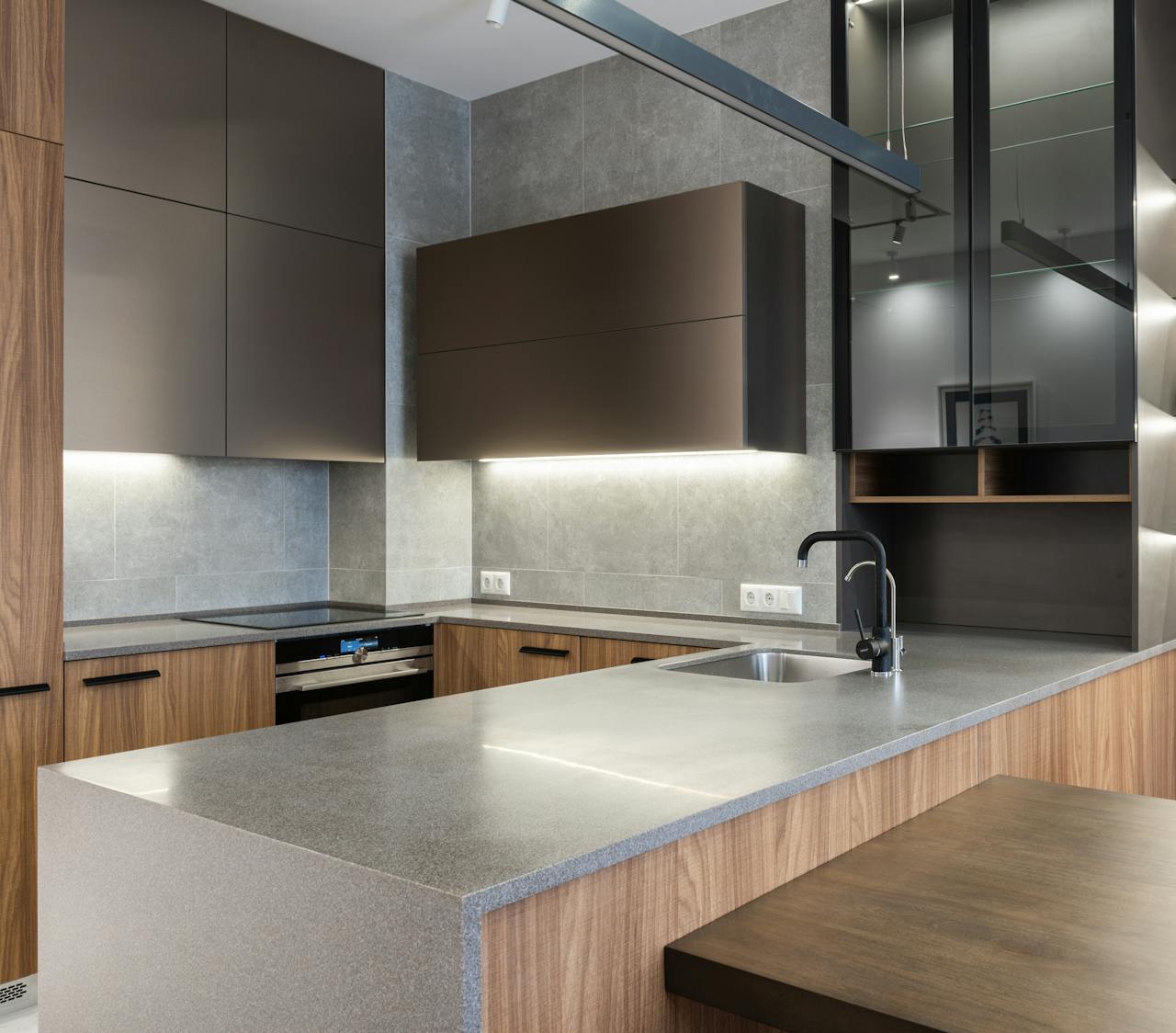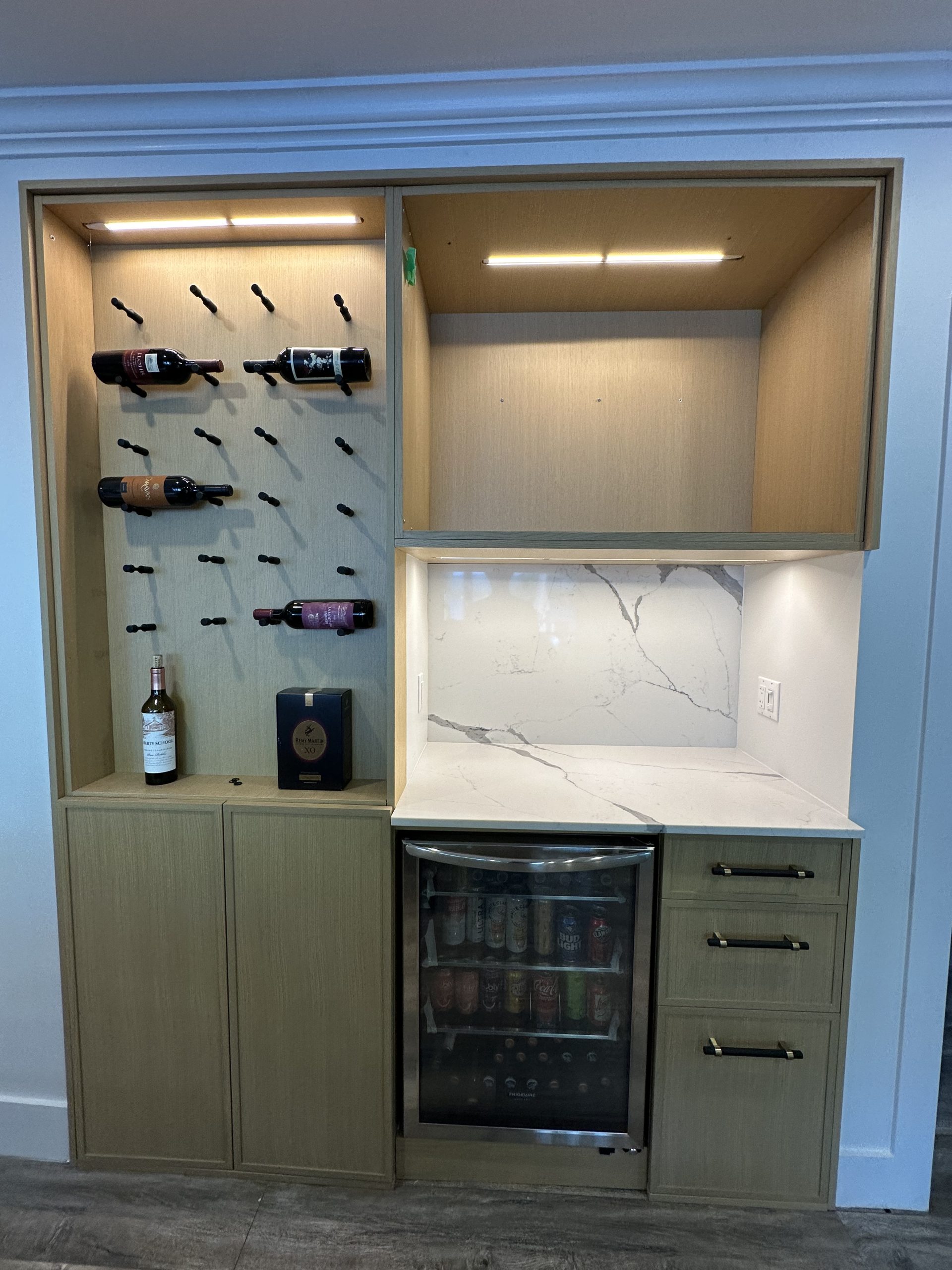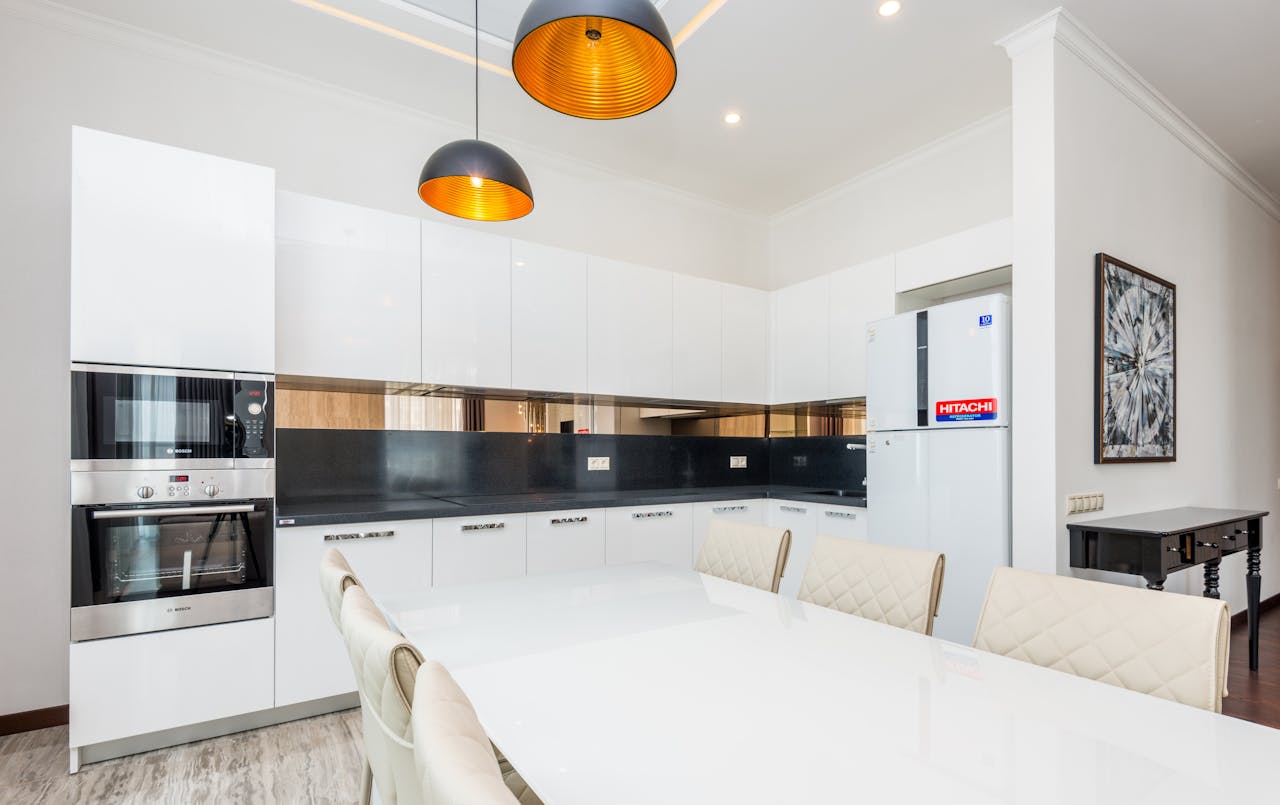
When homeowners in Gloucester reach out about kitchen renovations, they often treat cabinets and countertops as two separate decisions. They’ll ask about cabinet styles first, then come back later to talk about countertops. From a professional standpoint, that approach almost always leads to compromises.
In my experience, the best kitchens are designed when cabinetry and countertops are planned together from day one.
Gloucester homes come with a wide range of layouts — older properties with compartmentalized kitchens, newer builds with open concepts, and everything in between. Each one presents unique challenges related to space, light, storage, and flow. Designing cabinets without considering how the countertops will function — or vice versa — limits performance and creates visual imbalance.
My approach is built around integration. Cabinets and countertops are not standalone elements. They are a system. When designed together, they improve workflow, enhance durability, support daily use, and create kitchens that feel intentional rather than pieced together.
This blog explains my professional approach to kitchen cabinet and countertop design in Gloucester — and why this method consistently delivers kitchens that perform exceptionally well.
Why Performance Comes Before Aesthetics in My Design Process
A kitchen can look beautiful and still fail its users. I’ve seen it happen many times. That’s why I always prioritize performance before visual style.
A high-performance kitchen:
• Supports how people actually cook
• Keeps storage accessible and logical
• Reduces unnecessary movement
• Handles heavy daily use
• Maintains visual clarity
• Ages well over time
Cabinets and countertops play the biggest role in achieving this. They determine how the kitchen functions every single day.
Step One: Understanding How the Kitchen Is Used
Why I Start With Lifestyle, Not Samples
Before discussing finishes or colours, I focus on how the kitchen is actually used. Gloucester households vary widely — some kitchens are used heavily for daily cooking, others function as multi-purpose family spaces, and many do both.
I take time to understand:
• Who uses the kitchen most often
• How many people cook at the same time
• Where food prep usually happens
• What storage currently causes frustration
• How clutter builds up
• How the kitchen connects to adjacent spaces
These insights guide every cabinet and countertop decision that follows.
Designing for Real Habits, Not Assumptions
Generic kitchen designs assume everyone cooks the same way. Custom cabinet and countertop design allows me to tailor the space around real behavior instead of forcing homeowners to adapt to a flawed layout.
Step Two: Designing the Layout as a Unified System
Why Layout Dictates Cabinet and Countertop Success
Layout is the foundation of performance. In Gloucester homes, poor layouts often include:
• Inefficient corner cabinets
• Limited uninterrupted counter space
• Cabinets blocking appliance access
• Wasted vertical space
• Awkward transitions between zones
Cabinets and countertops must be designed together to correct these issues properly.
Creating Functional Zones Through Integrated Design
I design cabinetry and countertop runs around clear zones:
• Prep zone
• Cooking zone
• Cleaning zone
• Storage zone
Countertop surfaces are sized and positioned to support these zones, while cabinetry underneath is designed to store exactly what’s needed nearby.
This integration dramatically improves efficiency.
Step Three: Storage-Driven Cabinet Design
Why Most Kitchens Have Storage Problems
Most kitchens don’t lack storage — they lack usable storage.
Fixed shelves, deep dark cabinets, and poorly placed drawers create clutter even in large kitchens. Custom cabinetry solves this by aligning storage with usage patterns.
How I Design Cabinets for Accessibility and Organization
I focus on:
• Visibility of stored items
• Ease of access
• Weight distribution
• Frequency of use
• Ergonomics
Daily-use items are stored within easy reach. Heavy items go into drawers instead of lower cabinets. Rarely used items are stored higher but remain accessible.
Why Drawers Are Central to High-Performance Kitchens
Drawers vs. Traditional Lower Cabinets
In Gloucester kitchens, I rely heavily on deep, full-extension drawers because they outperform traditional lower cabinets in nearly every way.
Drawers allow:
• Full visibility
• Easy access without bending
• Better organization
• Safer storage for heavy cookware
Replacing lower cabinets with drawers alone often transforms how a kitchen feels to use.
What I Typically Store in Drawers
• Pots and pans
• Mixing bowls
• Containers
• Dishware
• Small appliances
• Baking supplies
This reduces daily frustration and improves workflow immediately.
Upper Cabinets: Height, Depth, and Purpose
Why I Prioritize Ceiling-Height Cabinets
When possible, I design cabinets that extend to the ceiling. This:
• Eliminates dust-collecting gaps
• Adds valuable storage
• Makes kitchens feel taller
• Creates a more finished look
In Gloucester homes with standard ceiling heights, this single change can dramatically elevate the space.
Adjustable Shelving for Long-Term Flexibility
Adjustable shelves allow cabinetry to adapt as household needs change. Fixed shelving limits usability over time.
Integrating Cabinets With Quartz Countertops
Why Quartz Performs Best With Custom Cabinetry
Quartz countertops demand precision. Cabinet height, alignment, and support directly affect how quartz performs visually and structurally.
Custom cabinetry allows for:
• Precise overhangs
• Clean seam placement
• Proper slab support
• Balanced proportions
• Seamless transitions
When cabinets are designed correctly, quartz becomes a functional and visual anchor.
How Cabinet Colour Influences Quartz Appearance
Cabinet undertones affect how quartz reads under different lighting. I consider:
• Natural light direction
• Artificial lighting temperature
• Flooring colour
• Wall finishes
This ensures quartz maintains consistency throughout the day.
Step Four: Choosing Quartz for Performance, Not Trend
Why Quartz Is Ideal for Gloucester Kitchens
Quartz is well-suited for Gloucester homes because it offers:
• Non-porous performance
• Excellent stain resistance
• Low maintenance
• Consistent patterning
• Long-term durability
These qualities support real daily use without requiring constant upkeep.
Selecting the Right Quartz Colour and Pattern
I help homeowners choose quartz based on:
• Lighting conditions
• Cabinet colour
• Kitchen size
• Visual balance
• Long-term appeal
Subtle patterns and balanced undertones tend to perform best over time.
Seam Planning as a Design Priority
Why Seam Placement Matters
Poor seam placement can interrupt workflow and distract visually. I plan seams to:
• Avoid primary prep zones
• Align with cabinet breaks
• Minimize visual disruption
• Support slab strength
Proper seam planning makes quartz feel continuous even when multiple slabs are required.
Edge Profiles and Thickness Considerations
Why These Details Affect Performance
Edge profiles and thickness influence both durability and usability.
I evaluate:
• Safety around corners
• Cleaning ease
• Visual weight
• Structural support
The goal is to enhance performance without drawing unnecessary attention.
Lighting Integration and Its Impact on Cabinets and Quartz
Why Lighting Is Part of the Design Process
Lighting interacts directly with cabinetry and quartz. I plan for:
• Under-cabinet lighting
• Shadow reduction
• Light reflection off quartz surfaces
• Even illumination across work zones
In Gloucester homes, where daylight varies seasonally, lighting design is essential.
Material Quality and Construction Standards
Why Cabinet Construction Matters
High-performance kitchens rely on:
• Strong cabinet boxes
• Durable joinery
• High-quality hardware
• Stable materials
These details ensure cabinets maintain alignment and function over time.
Soft-Close Hardware as a Durability Feature
Soft-close hinges and glides reduce stress on cabinet structures, extending lifespan and improving user experience.
Planning for Longevity and Value
Designing for Long-Term Use
Kitchens should adapt as lifestyles change. I consider:
• Aging-in-place usability
• Storage flexibility
• Appliance upgrades
• Future layout changes
Well-designed cabinets and countertops should last decades.
Value Impact in Gloucester Homes
Custom cabinetry and well-planned quartz countertops significantly increase perceived value. Buyers recognize quality craftsmanship immediately.
Mistakes My Approach Intentionally Avoids
Through experience, I avoid:
• Designing cabinets without layout context
• Selecting countertops independently
• Wasting vertical space
• Ignoring lighting interaction
• Prioritizing trend over function
• Over-complicating patterns
• Treating storage as an afterthought
Avoiding these mistakes is key to consistent results.
The Result: Kitchens That Work Every Single Day
When cabinets and countertops are designed together:
• Cooking feels easier
• Storage stays organized
• Counters stay clear
• Movement feels natural
• The kitchen feels calmer
• The design feels intentional
That’s what high-performance design delivers.
Final Thoughts: Why This Integrated Approach Works in Gloucester Homes
My professional approach to kitchen cabinet and countertop design in Gloucester is built around one principle: integration.
By designing cabinets and quartz countertops together — with layout, storage, lighting, and long-term use in mind — I create kitchens that don’t just look good on installation day. They perform exceptionally well for years to come.
High-performance kitchens support daily life.
They reduce friction.
They add value.
They age gracefully.
And in Gloucester homes, where kitchens truly matter, this approach makes all the difference.