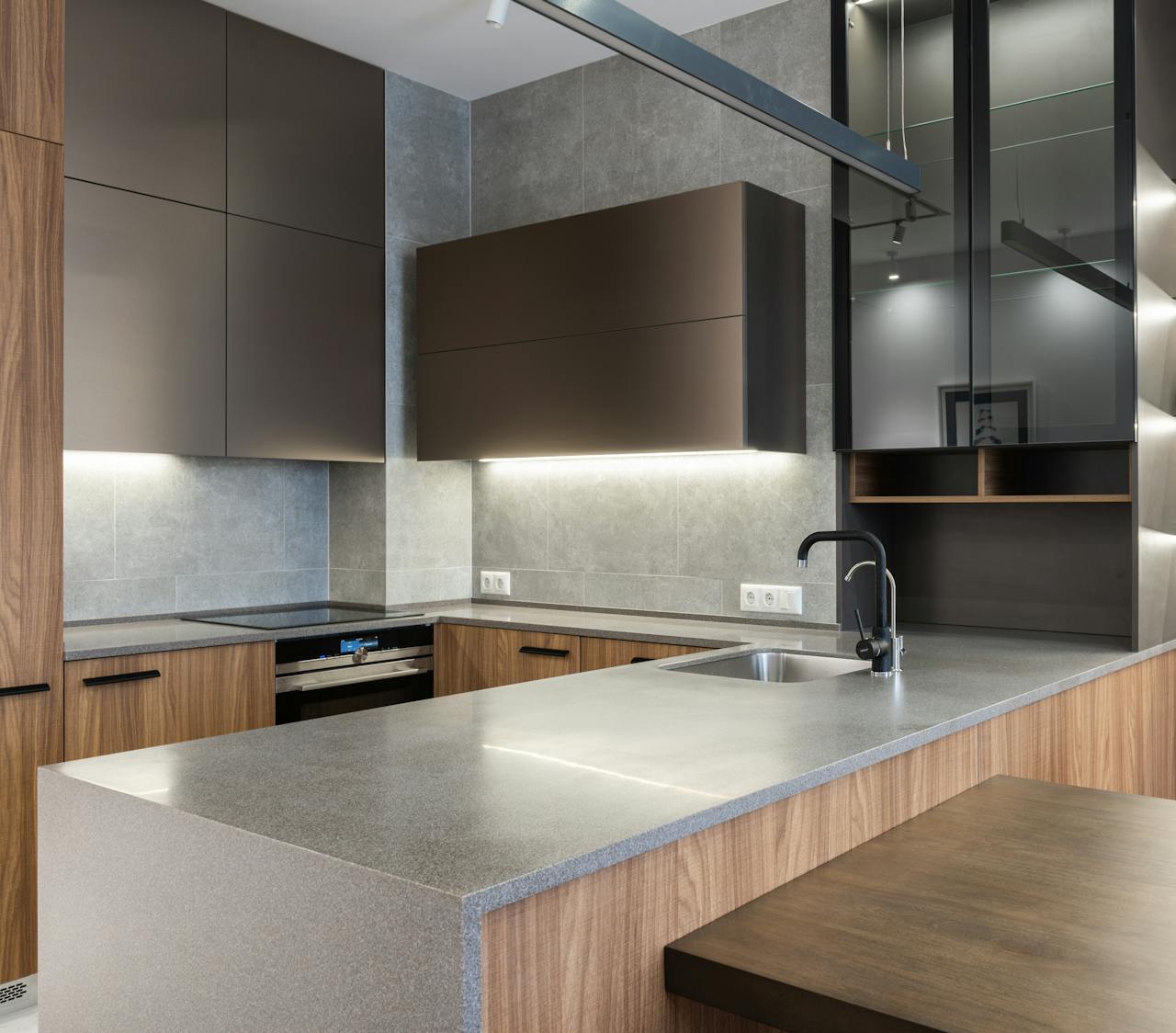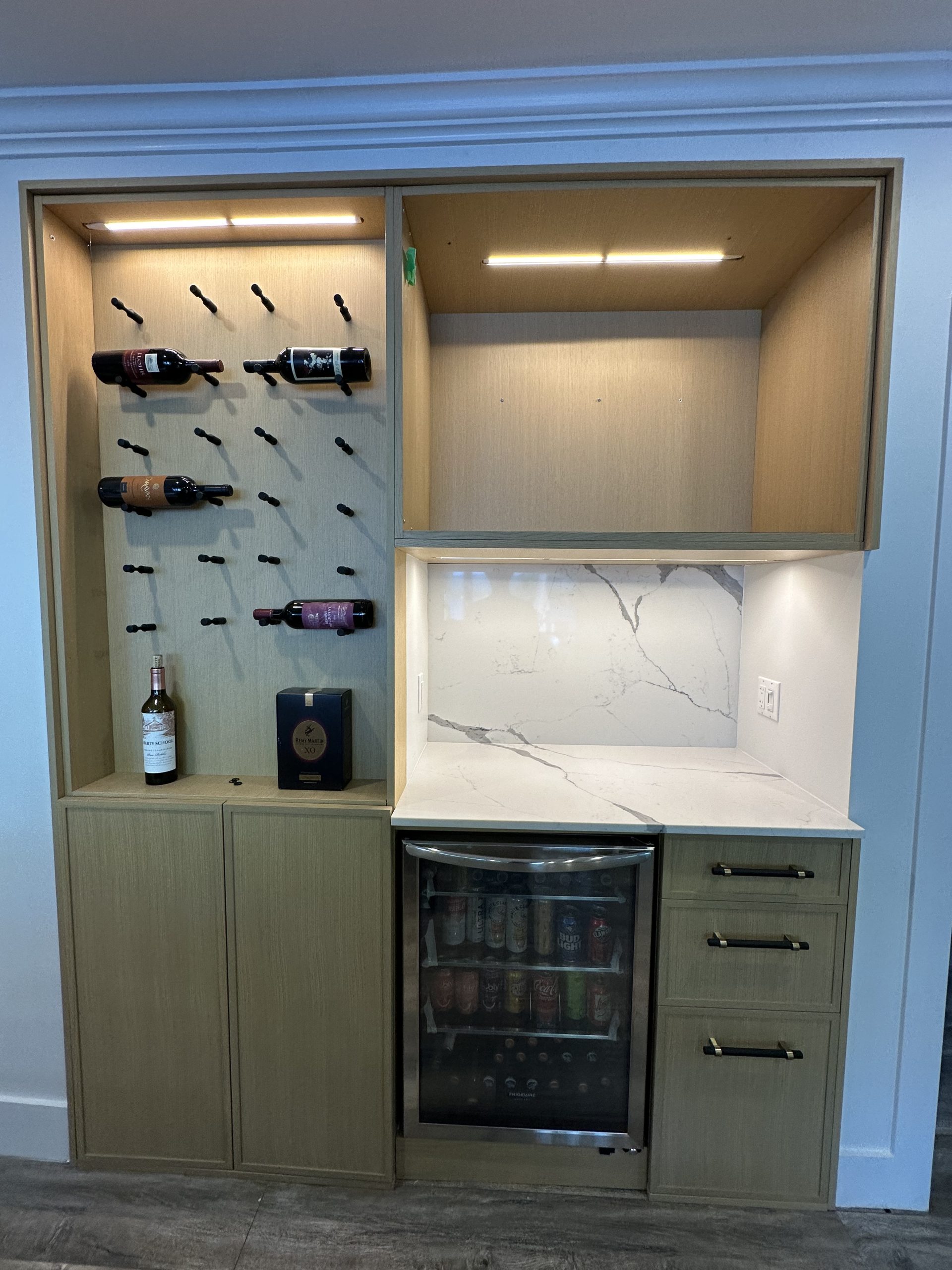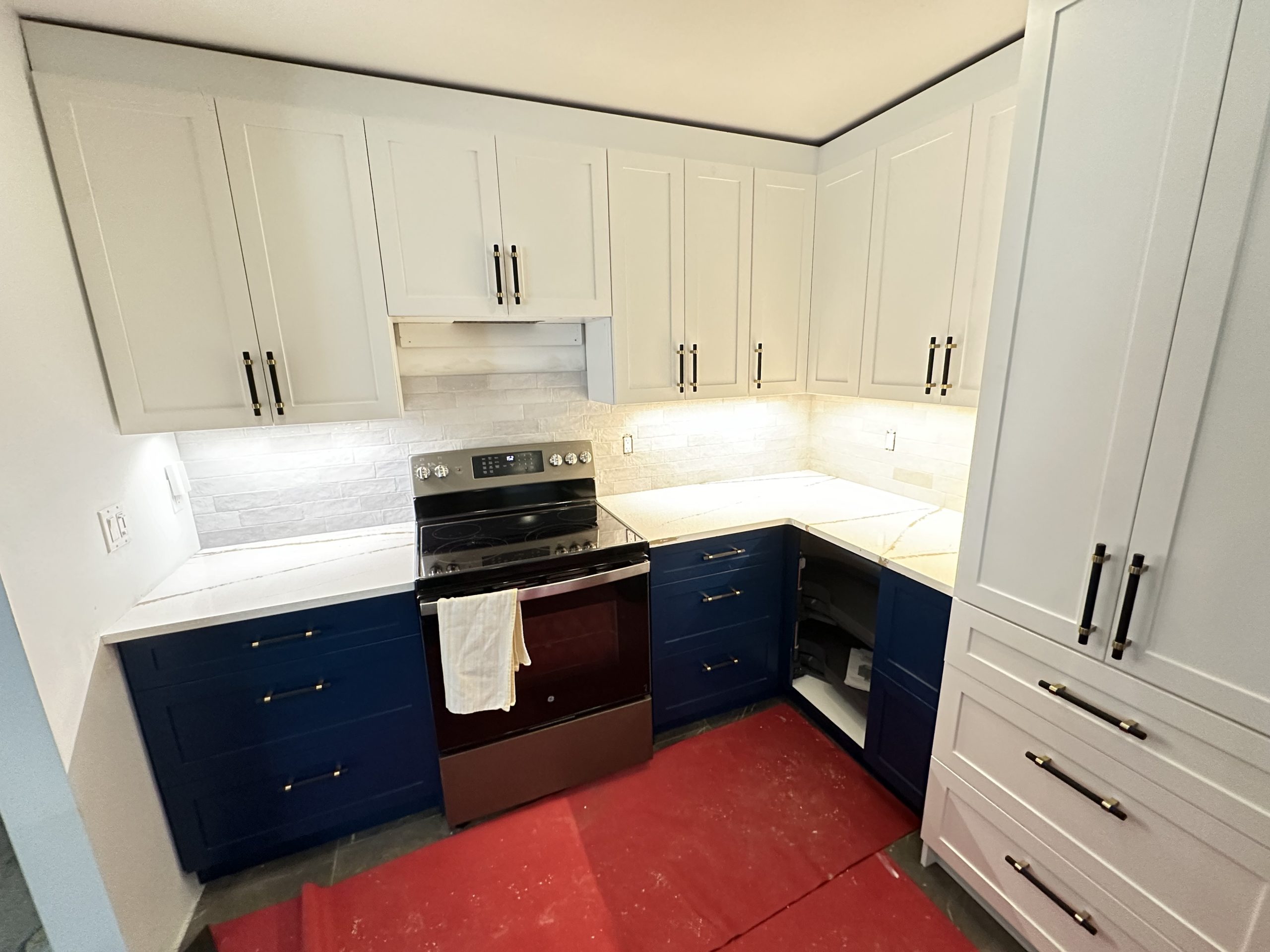
When homeowners in Orleans ask about custom kitchen cabinets, they often start by talking about appearance. They want to know about door styles, colours, finishes, and trends. While those elements matter, they’re never where I begin.
I focus on performance first.
Custom kitchen cabinets should not simply look good on installation day. They should make daily life easier, improve organization, support how the kitchen is actually used, and hold up to years of real wear. In Orleans homes, where kitchens are central gathering spaces for families, poor cabinet design becomes obvious very quickly.
Designing custom cabinets properly means understanding layout constraints, storage behavior, lighting conditions, countertop integration, and long-term durability. Every cabinet decision affects workflow, counter usability, and even how large or small the kitchen feels.
This blog breaks down exactly what I focus on when designing custom kitchen cabinets in Orleans — and why this approach consistently delivers kitchens that are functional, refined, and built to last.
Why Custom Cabinets Matter More Than Most Homeowners Realize
Custom cabinets are not about luxury for the sake of luxury. They’re about control.
Control over:
• Storage efficiency
• Cabinet height and depth
• Drawer placement
• Interior organization
• Workflow optimization
• Visual balance
• Long-term durability
In many Orleans homes, kitchens were built with generic cabinetry that doesn’t reflect how families cook or live today. Custom cabinetry allows me to correct those limitations instead of working around them.
My First Priority: How the Kitchen Is Actually Used
Why I Never Design Cabinets in Isolation
Before I sketch a single cabinet, I focus on how the kitchen functions as a whole. Cabinets are not standalone furniture pieces — they’re part of a system that includes countertops, appliances, lighting, and movement patterns.
I ask questions like:
• Who uses the kitchen daily?
• How many people cook at once?
• Where does prep usually happen?
• What items are used every day?
• What storage currently causes frustration?
• Where does clutter build up?
Understanding real behavior prevents wasted space and poor cabinet placement.
Designing Around Workflow, Not Assumptions
Many builder kitchens assume everyone cooks the same way. In reality, every household is different. Custom cabinet design lets me align storage with actual habits instead of generic layouts.
Layout Comes Before Cabinet Style
Why Layout Dictates Cabinet Success
A beautifully finished cabinet placed in the wrong spot will always fail. That’s why layout planning happens before any aesthetic decisions.
In Orleans kitchens, common layout issues include:
• Inefficient corner cabinets
• Poor prep space placement
• Cabinets blocking appliance access
• Shallow storage near high-use zones
• Wasted vertical space
Custom cabinetry allows me to correct these issues instead of accepting them.
Creating Functional Zones Through Cabinet Design
I design cabinetry around zones:
• Prep zone
• Cooking zone
• Cleaning zone
• Storage zone
Cabinets are placed to support these zones, not interrupt them. This dramatically improves daily efficiency.
Storage Design Is the Core of Custom Cabinetry
Why Storage Fails in Most Kitchens
Most kitchens don’t lack storage — they lack usable storage.
Poor shelf spacing, deep dark cabinets, and fixed shelving create clutter even in large kitchens. Custom cabinetry solves this by tailoring storage to specific needs.
How I Design Storage That Works
I focus on:
• Visibility
• Accessibility
• Weight distribution
• Frequency of use
• Ergonomics
Daily-use items should be easy to reach. Heavy items should be stored safely. Rarely used items should be out of the way but still accessible.
Why I Use Drawers Far More Than Lower Cabinets
The Performance Advantage of Drawers
Deep, full-extension drawers outperform traditional lower cabinets in almost every scenario.
Drawers allow:
• Full visibility
• Easy access
• Better organization
• Safer storage for heavy items
In Orleans kitchens, I often replace nearly all lower cabinets with drawer systems because they dramatically improve usability.
What I Typically Store in Drawers
• Pots and pans
• Mixing bowls
• Containers
• Small appliances
• Dishware
• Baking supplies
This reduces bending, lifting, and searching — all major sources of kitchen frustration.
Upper Cabinets: Height, Depth, and Purpose Matter
Why Ceiling-Height Cabinets Are a Priority
Whenever possible, I design cabinets that extend to the ceiling. This:
• Eliminates dust-collecting gaps
• Increases storage
• Makes the kitchen feel taller
• Creates a more finished look
In Orleans homes with standard ceiling heights, this single change can dramatically elevate the space.
Adjustable Shelving for Long-Term Flexibility
Fixed shelves limit storage options over time. Adjustable shelves allow cabinets to evolve as household needs change.
Corner Cabinets Are Not Wasted Space When Designed Correctly
The Problem With Traditional Corner Cabinets
Corner cabinets are often the most wasted space in a kitchen. Items get lost, stacked, or forgotten.
How I Approach Corner Storage
I use solutions that bring items out of the cabinet instead of forcing homeowners to reach inside blindly. Proper corner design turns dead space into functional storage.
Integrating Cabinets With Quartz Countertops
Why Cabinet Design and Countertops Must Work Together
Cabinet height, depth, and alignment directly affect how quartz countertops perform visually and functionally.
Custom cabinets allow:
• Precise countertop overhangs
• Clean seam placement
• Proper support
• Balanced proportions
Quartz performs best when the cabinetry beneath it is designed intentionally.
How Cabinet Colour Affects Quartz
Cabinet undertones influence how quartz appears in different lighting. When designing cabinets, I consider:
• Natural light direction
• Artificial lighting temperature
• Floor colour
• Wall colour
This ensures the quartz looks consistent and intentional throughout the day.
Material Quality Is Non-Negotiable
Why Cabinet Construction Matters
High-performance cabinets rely on:
• Strong box construction
• Durable joinery
• High-quality hardware
• Stable materials
In Orleans homes, where kitchens are heavily used, weak materials show wear quickly. Custom cabinets are built to withstand daily use without sagging or loosening.
Soft-Close Hardware Is About Longevity, Not Luxury
Soft-close hinges and drawer glides reduce stress on the cabinet structure. They improve durability while also enhancing user experience.
Lighting Considerations Influence Cabinet Design
Why I Design Cabinets With Lighting in Mind
Cabinet placement affects lighting effectiveness. I plan for:
• Under-cabinet lighting
• Interior cabinet lighting when needed
• Shadow reduction
• Reflection off quartz surfaces
Lighting improves functionality and enhances the visual clarity of the cabinetry.
Aesthetic Decisions Come After Performance Is Solved
Choosing Cabinet Style
Once layout, storage, and performance are finalized, I focus on style:
• Door profile
• Finish
• Texture
• Hardware
Because the foundation is solid, these choices enhance the design instead of compensating for flaws.
Timeless Over Trendy
In Orleans homes, I prioritize finishes that:
• Age well
• Work with future updates
• Complement quartz countertops
• Maintain resale value
Trends fade. Performance does not.
Planning for Long-Term Use and Value
Future-Proofing Cabinet Design
Custom cabinetry should adapt over time. I consider:
• Changing family needs
• Aging-in-place functionality
• Appliance upgrades
• Storage flexibility
Well-designed cabinets should serve the home for decades.
How Custom Cabinets Add Value in Orleans
High-quality cabinetry is one of the most noticeable upgrades in a kitchen. Buyers recognize craftsmanship immediately. Functional, well-designed cabinets consistently increase perceived value.
Mistakes I Intentionally Avoid When Designing Cabinets
Through experience, I avoid:
• Designing cabinets without considering workflow
• Using fixed shelving everywhere
• Wasting vertical space
• Prioritizing looks over function
• Ignoring lighting interaction
• Designing storage without asking how items are used
• Separating cabinet design from countertop planning
Avoiding these mistakes is key to high-performance results.
The Result: Cabinets That Work Every Single Day
When cabinet design is done correctly:
• Cooking feels easier
• Storage stays organized
• Counters stay clear
• Movement feels natural
• The kitchen feels calmer
• The space looks intentional
That’s what high-performance cabinetry delivers.
Final Thoughts: Why My Cabinet Design Approach Works for Orleans Homes
Designing custom kitchen cabinets in Orleans is not about filling walls with boxes. It’s about building a system that supports real life.
By focusing on layout, workflow, storage efficiency, material quality, quartz integration, and long-term durability, I design cabinetry that doesn’t just look good — it performs.
High-performance cabinets transform kitchens from frustrating spaces into efficient, enjoyable environments. And in Orleans homes, where kitchens are the heart of daily life, that difference is felt immediately.