When homeowners in Gloucester plan a kitchen renovation, most of the attention naturally goes toward the big choices — cabinet style, countertop colour, appliance upgrades, or layout changes. But in my experience, what separates an average kitchen from an exceptional one often comes down to something much more specific:
The transitions.
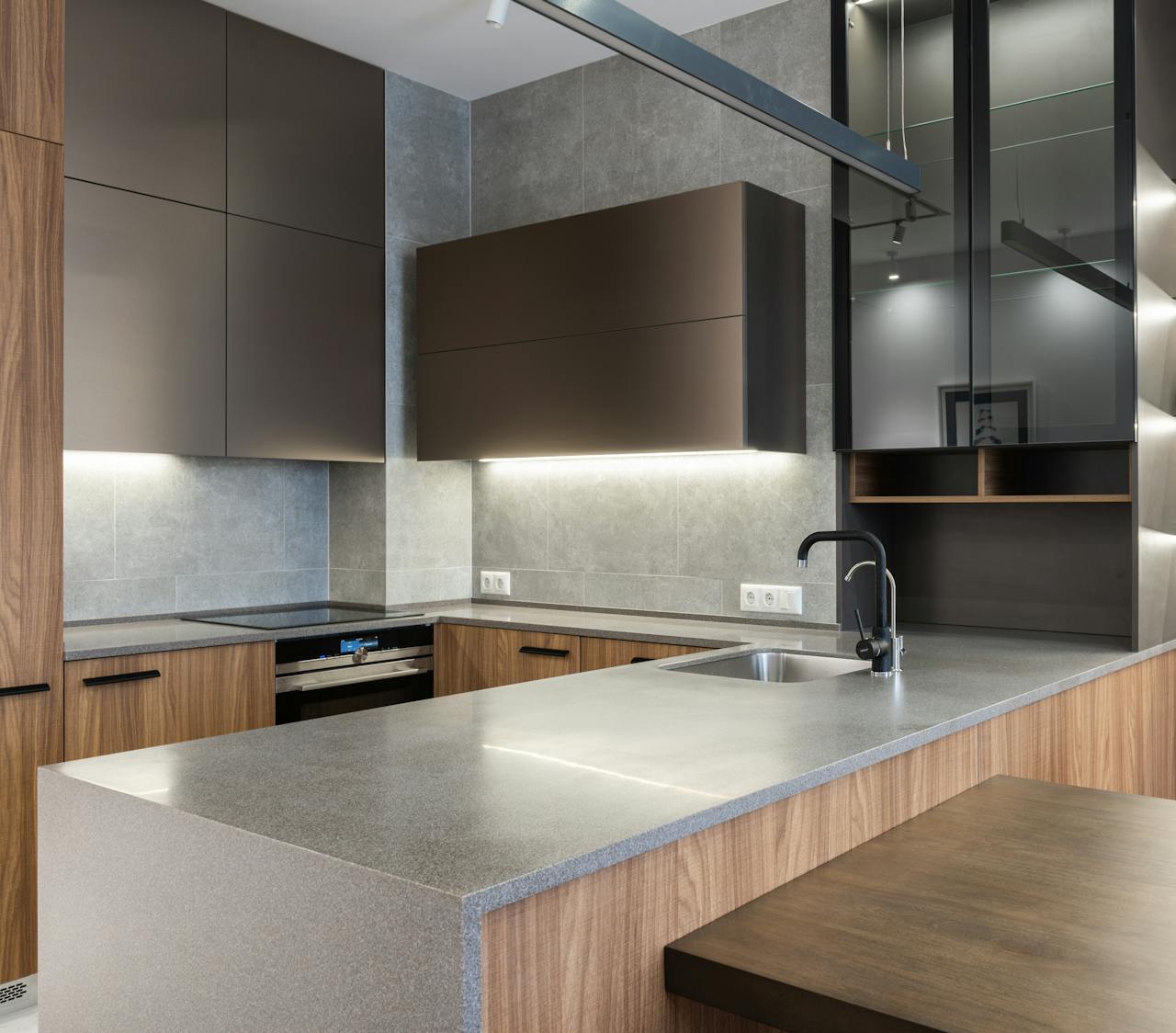
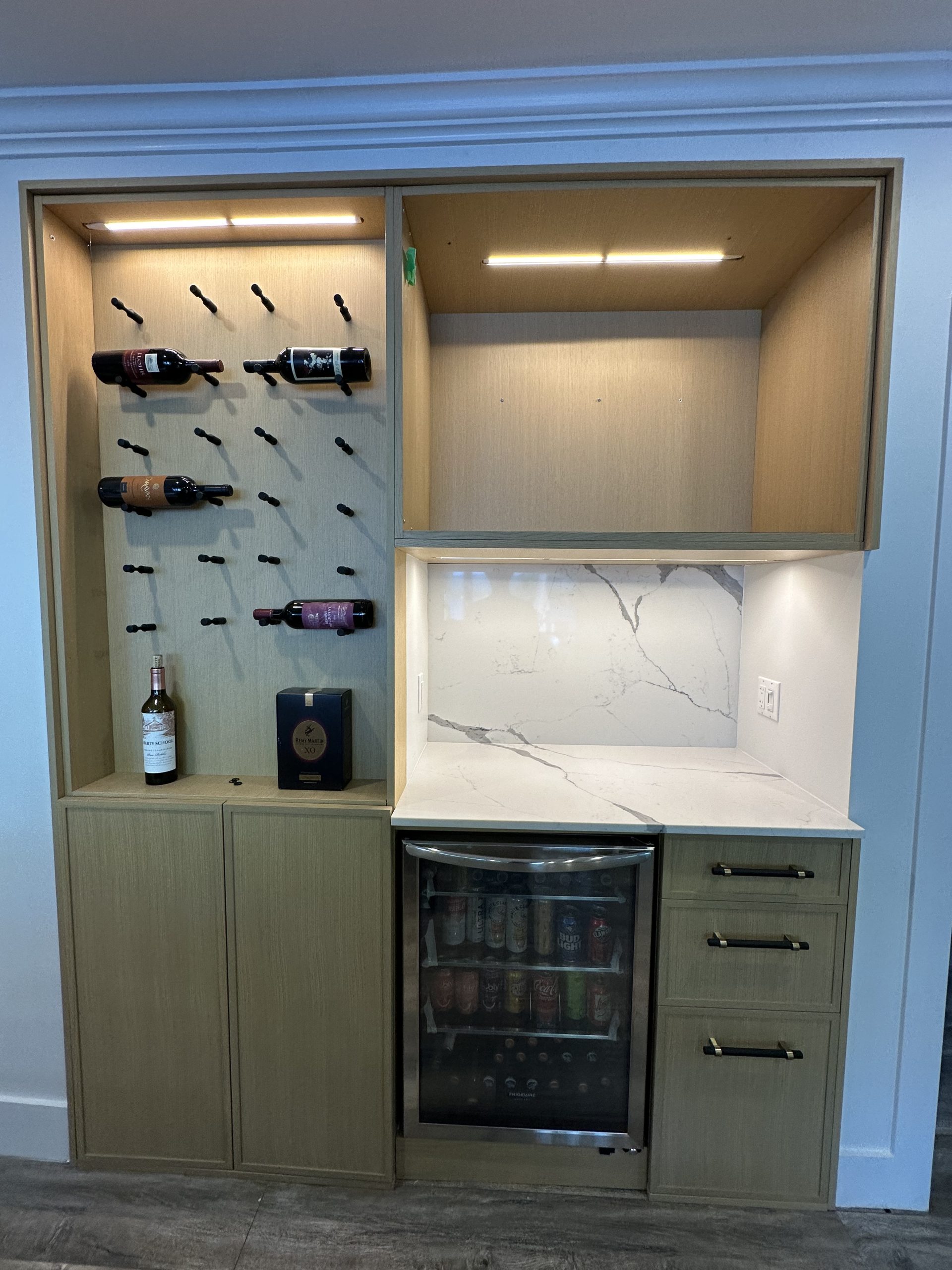
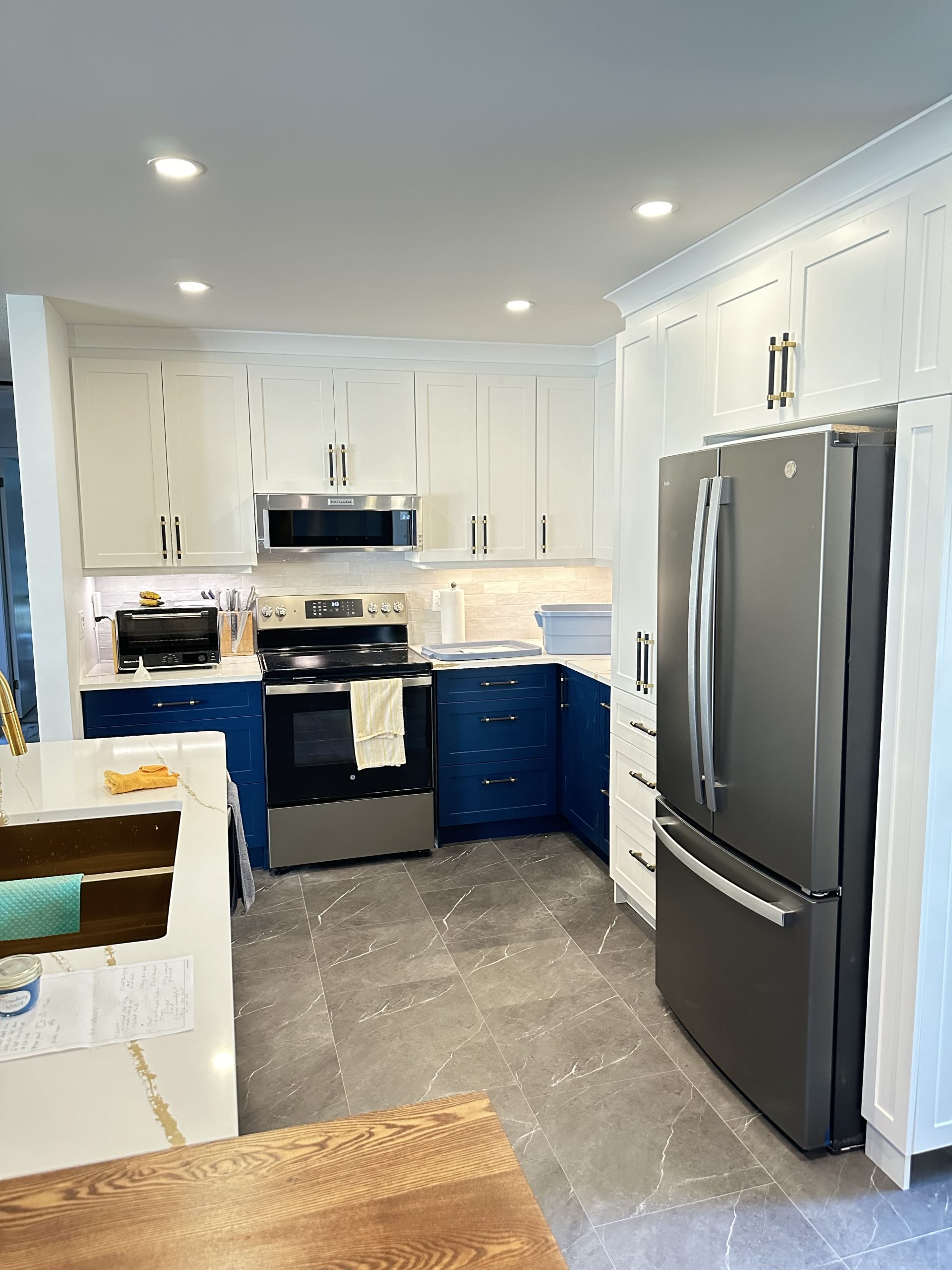
A kitchen is not just a collection of cabinets and countertops placed next to each other. It is a unified system. The way quartz surfaces meet cabinetry, the way edges align, the way seams disappear, and the way finishes flow together all determine whether the space feels intentional or pieced together.
In Gloucester homes, where kitchens vary widely in layout, lighting, and architectural style, creating seamless transitions between quartz countertops and cabinets is one of the most important parts of my design and installation process.
A seamless transition is not accidental. It requires careful planning, precision execution, and a deep understanding of how cabinetry and quartz must work together structurally and visually.
This blog explains my full process for creating seamless quartz and cabinet transitions in Gloucester homes — and why this integrated approach consistently produces kitchens that feel refined, durable, and high-performing.
Why Quartz and Cabinets Must Be Designed as One System
Before explaining the process, it’s important to understand why quartz and cabinetry cannot be treated as separate decisions.
Quartz countertops are the primary work surface. Cabinets are the structural foundation beneath them. When these elements are designed independently, problems arise quickly:
• Misaligned heights
• Awkward overhangs
• Poor seam placement
• Visual imbalance
• Gaps and uneven transitions
• Workflow disruptions
In Gloucester kitchens, where space and lighting conditions can vary significantly, these issues become obvious immediately.
My approach is always integrated. Cabinets and quartz are planned together from the very beginning so the finished kitchen feels cohesive and performs well for years.
Step One: Understanding the Kitchen’s Daily Function First
Why Seamless Design Starts With Lifestyle
Before thinking about finishes or edge profiles, I start with how the kitchen is used.
I focus on questions such as:
• Where does most food prep happen?
• How many people use the kitchen at once?
• Is the island used for cooking, seating, or both?
• What areas experience the most daily wear?
• What frustrations exist in the current kitchen?
The answers shape how cabinetry and quartz must connect.
Seamless transitions are not only about aesthetics — they are about functionality and flow.
Step Two: Planning Cabinet Layout to Support Quartz Continuity
Why Cabinet Layout Dictates Countertop Success
Quartz cannot be designed properly until the cabinet layout is correct.
In Gloucester homes, common layout challenges include:
• Inefficient corner cabinet placement
• Short, broken counter runs
• Poor alignment between cabinets and appliances
• Islands that interrupt workflow
• Uneven wall conditions in older kitchens
I design cabinetry to create strong, continuous countertop surfaces wherever possible.
Creating Clear Zones Through Cabinet Planning
I plan cabinet runs around functional zones:
• Prep zone
• Cooking zone
• Cleaning zone
• Storage zone
This ensures quartz surfaces remain uninterrupted where they matter most, while cabinetry underneath supports daily workflow.
Step Three: Ensuring Cabinets Are Installed With Absolute Precision
Why Seamless Quartz Starts With Level Cabinetry
One of the most critical steps in creating seamless transitions is ensuring cabinetry is perfectly level and structurally stable before quartz templating begins.
Quartz is heavy and unforgiving. Even minor cabinet inconsistencies can lead to:
• Uneven countertop lines
• Stress points
• Poor seam alignment
• Visible gaps
In Gloucester kitchens, where floors and walls may not be perfectly square, proper leveling is essential.
I ensure cabinets are:
• Fully leveled across all runs
• Securely anchored
• Properly aligned at corners
• Installed with consistent spacing
Without this foundation, seamless quartz integration is impossible.
Step Four: Selecting Quartz That Complements Cabinet Undertones
Why Colour Matching Is About Undertones, Not Labels
Quartz and cabinetry must work together visually. Many homeowners focus on colour names like “white” or “grey,” but the real issue is undertones.
Quartz can lean:
• Warm neutral
• Cool grey
• Cream-based
• Blue-grey
Cabinet finishes also carry undertones that shift under Gloucester lighting conditions.
I guide homeowners toward quartz selections that:
• Complement cabinet warmth or coolness
• Maintain consistency throughout the day
• Enhance the overall kitchen brightness
• Avoid harsh contrast or visual conflict
Seamless transitions depend heavily on tonal harmony.
Step Five: Designing Overhangs and Edges for Clean Cabinet Integration
Why Overhang Planning Affects Seamlessness
Quartz overhangs must align with cabinet proportions. Poor overhang planning can make kitchens feel awkward or unfinished.
I plan overhang depth based on:
• Cabinet depth
• Seating requirements
• Appliance clearances
• Structural support needs
In Gloucester kitchens with islands, overhang design is especially important for both comfort and durability.
Edge Profiles as a Transition Detail
Edge profiles influence how quartz meets cabinetry visually.
I recommend edge choices that:
• Feel refined and timeless
• Reduce sharp corners
• Enhance durability
• Support clean cabinet transitions
Edge details may seem minor, but they play a major role in seamless design.
Step Six: Seam Placement That Supports Visual Flow
Why Seam Placement Is Part of Cabinet Planning
Seams are sometimes necessary, but they should never disrupt the kitchen visually or functionally.
I plan seams to:
• Avoid primary prep zones
• Stay away from sink cutouts
• Align with cabinet breaks
• Minimize visibility in key sightlines
In Gloucester kitchens, proper seam placement often determines whether the countertop feels continuous or fragmented.
Making Seams Disappear
A seamless transition means seams are not focal points. They are strategically placed and professionally finished so the quartz reads as one unified surface.
Step Seven: Precision Templating for Exact Cabinet-to-Quartz Fit
Why Templating Happens Only After Cabinets Are Installed
Quartz templating is the blueprint for fabrication. It must reflect the exact cabinet installation.
I template only when:
• Cabinets are fully installed
• Appliances are confirmed
• Wall conditions are accounted for
• Sink and cooktop locations are finalized
In Gloucester homes, slight wall irregularities are common. Proper templating ensures quartz fits perfectly without awkward gaps.
Step Eight: Fabrication That Preserves Design Intent
Why Fabrication Quality Determines Seamless Results
Fabrication is where design becomes reality. Precision fabrication ensures:
• Accurate edge shaping
• Correct cutout placement
• Balanced veining across seams
• Clean slab transitions
Quartz fabrication must reflect both structural requirements and visual flow.
A seamless kitchen depends on fabrication accuracy just as much as design planning.
Step Nine: Installation That Creates a Unified Finish
Why Installation Is More Than Placement
Quartz installation is where transitions become visible.
I focus on:
• Tight alignment against cabinetry
• Smooth seam finishing
• Proper support at overhangs
• Clean integration around sinks and appliances
• Consistent reveal lines
The goal is for quartz to feel built into the cabinetry rather than placed on top of it.
Avoiding Gaps and Visual Breaks
In Gloucester kitchens, clean transitions prevent the kitchen from feeling segmented. Installation precision creates the seamless look homeowners want.
Step Ten: Finishing Details That Complete the Transition
Why Final Details Protect Seamlessness Long-Term
The last stage includes:
• Proper caulking at wall junctions
• Backsplash integration
• Sink mounting precision
• Final cabinet hardware alignment
• Lighting calibration
These finishing details ensure transitions remain clean and durable over time.
Seamless design is protected in the details.
How Seamless Transitions Improve Kitchen Performance
When quartz and cabinetry transitions are seamless, homeowners experience:
• Easier cleanup
• More usable prep space
• Better visual flow
• A kitchen that feels larger
• Long-term durability
• Increased home value in Gloucester
Seamlessness is not just aesthetic — it improves daily life.
Common Transition Mistakes I Avoid in Gloucester Kitchens
Through experience, I avoid issues such as:
• Templating before cabinets are finalized
• Poor seam placement near sinks
• Ignoring cabinet leveling
• Choosing quartz without undertone awareness
• Overhangs without proper support
• Rushed finishing work
Avoiding these mistakes is essential for lasting results.
Final Thoughts: Seamless Quartz and Cabinet Integration Is the Standard I Design For
Creating seamless quartz and cabinet transitions in Gloucester homes requires more than good materials. It requires an integrated process built on precision, planning, and performance-driven design.
By treating cabinets and quartz as one unified system, I create kitchens that:
• Feel cohesive
• Perform effortlessly
• Look refined
• Age beautifully
• Support daily life for years
Seamless transitions are not an extra detail — they are the foundation of a truly high-performance Gloucester kitchen renovation.