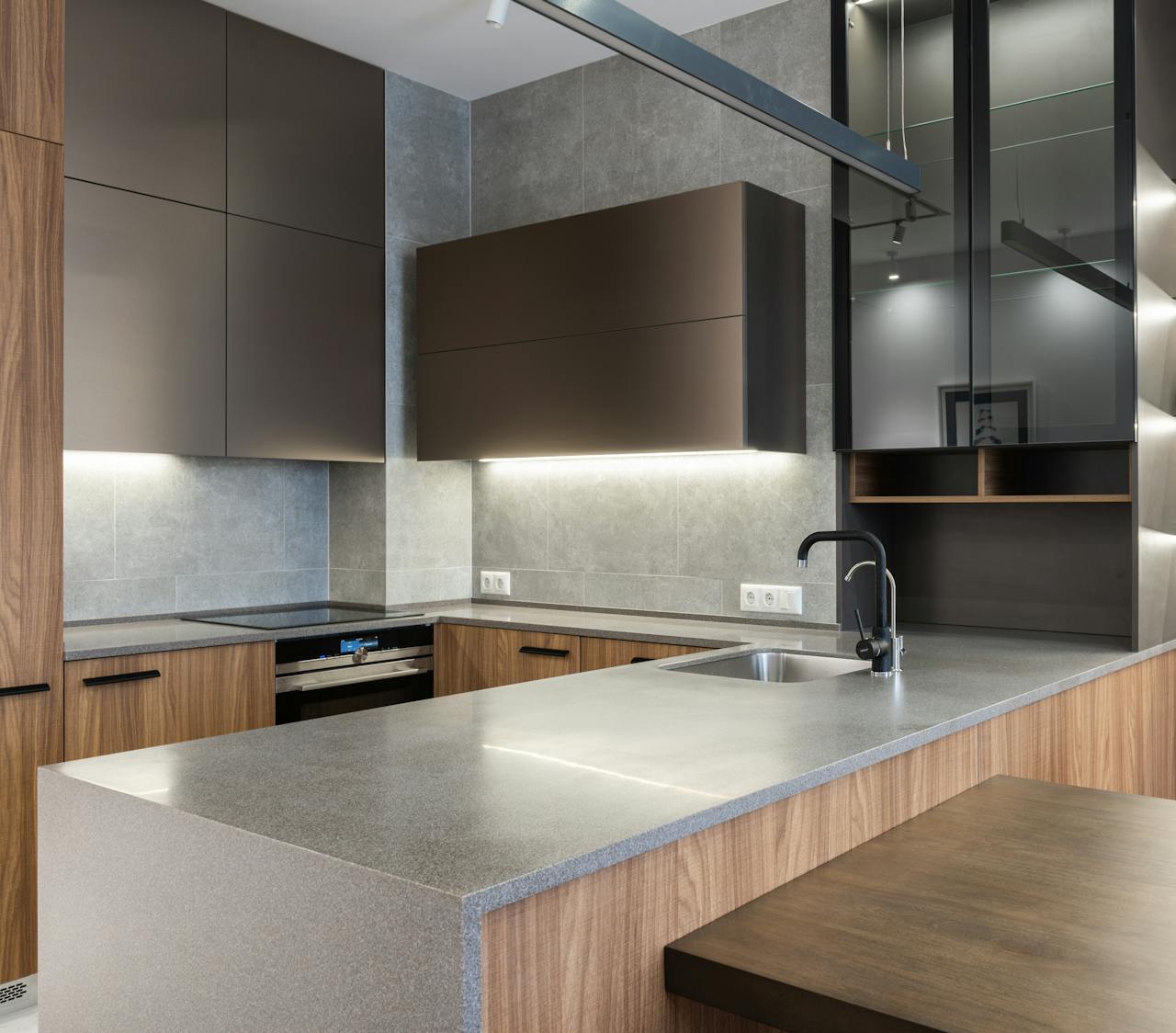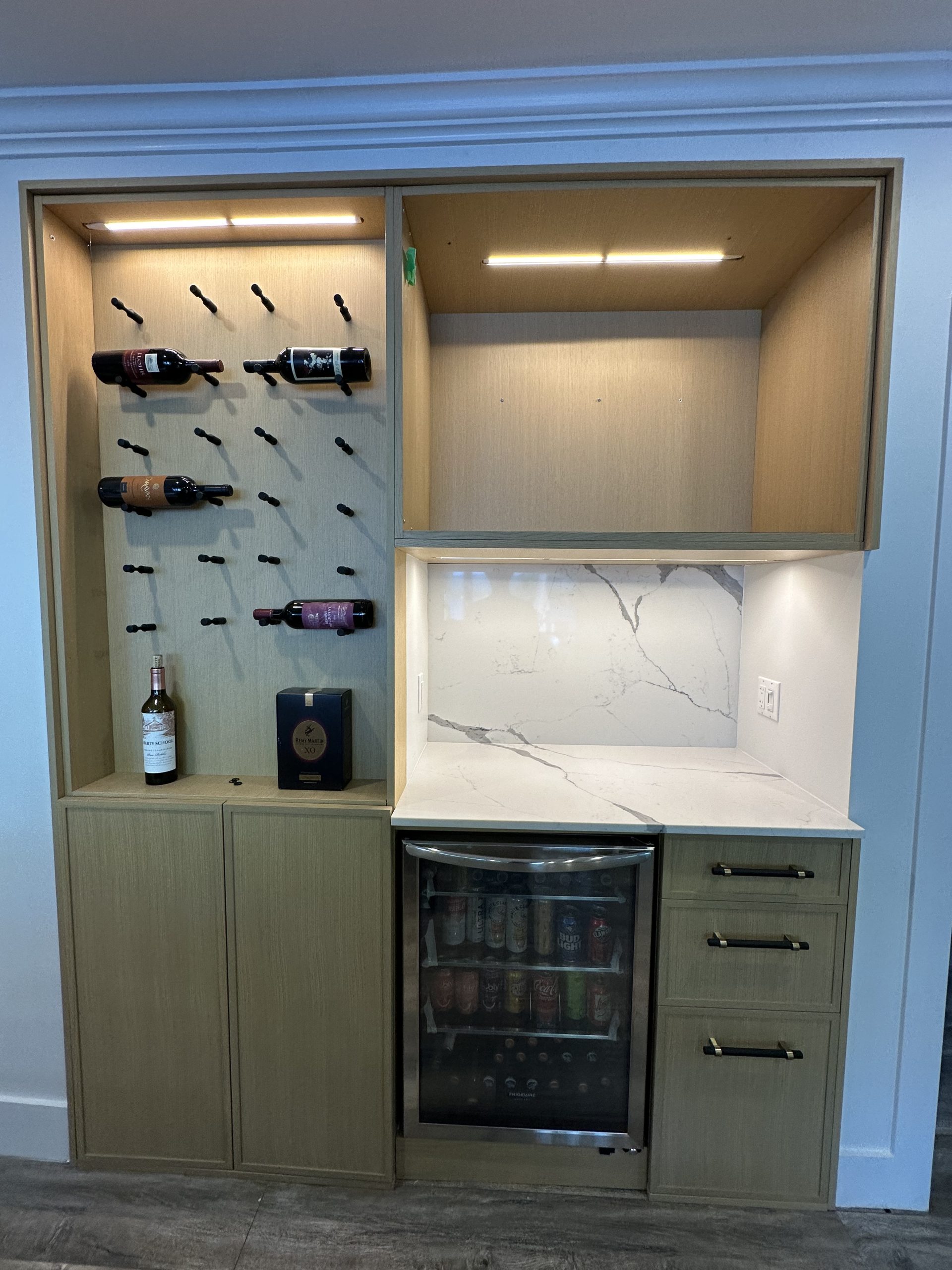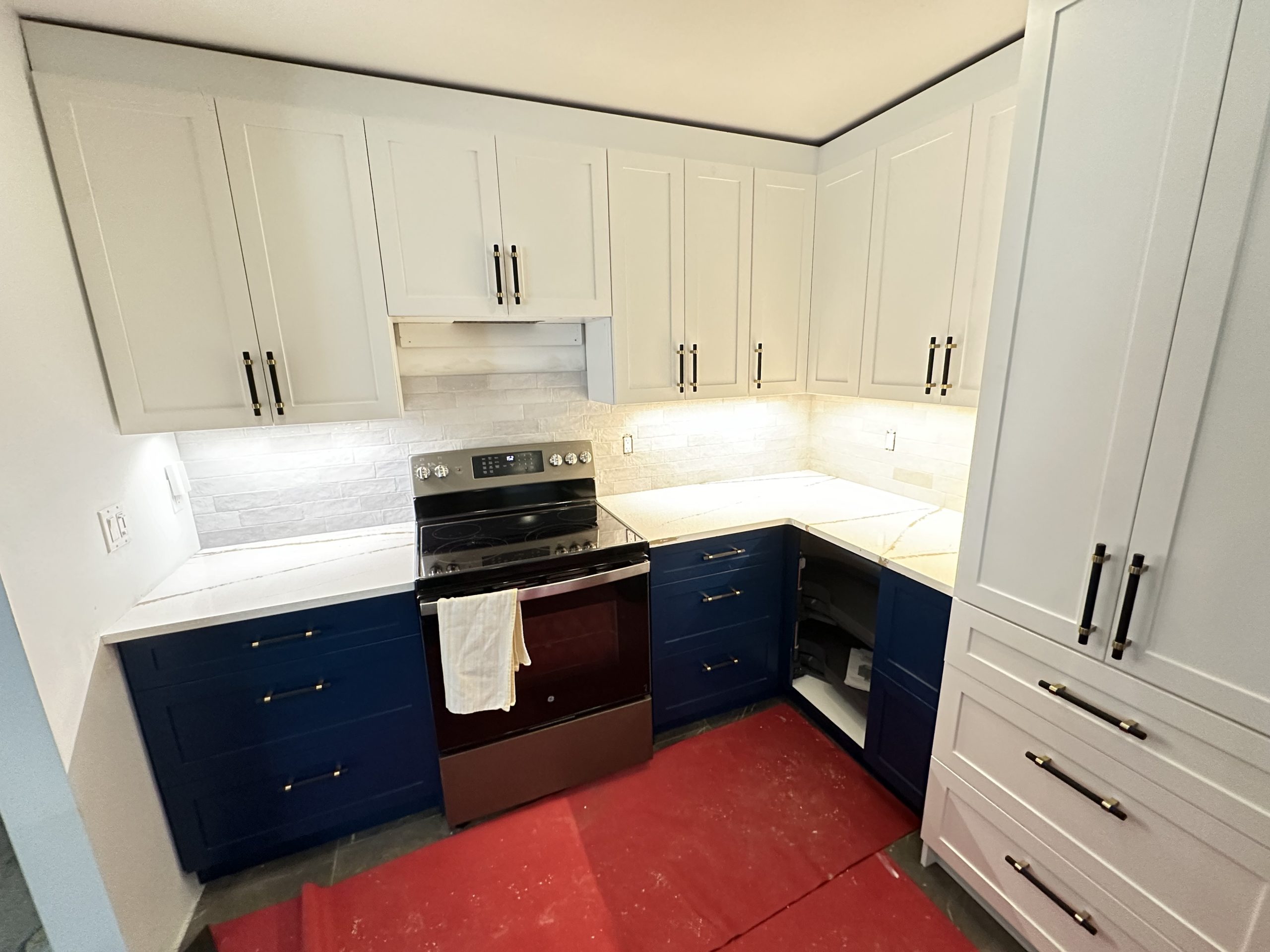
When homeowners in Rockland begin planning a kitchen renovation, they often focus first on finishes — cabinet colours, quartz countertop styles, or modern design inspiration. While those elements matter, I’ve learned through experience that the true success of a kitchen renovation is determined by something far more practical:
Storage layout.
A kitchen can have beautiful cabinets and stunning countertops, but if storage is poorly planned, the space will still feel cluttered, inefficient, and frustrating to use. In Rockland homes, where kitchens often serve as the heart of family life, storage is not a secondary detail. It is the infrastructure that determines how smoothly the kitchen functions every single day.
Optimizing storage layout is one of the most valuable parts of my renovation process. It allows homeowners to use their space more efficiently, keep countertops clear, reduce daily stress, and create kitchens that feel larger and more organized without expanding the footprint.
This blog explains exactly how I optimize kitchen storage layouts for Rockland renovation projects — and why this approach consistently delivers kitchens that perform beautifully for years.
Why Most Kitchens in Rockland Have Storage Problems (Even When They Look Spacious)
Many homeowners assume that storage issues come from having a kitchen that is too small. In reality, most kitchens already have enough storage — it’s just not designed correctly.
Common storage problems I see in Rockland kitchens include:
• Lower cabinets that become chaotic “black holes”
• Fixed shelving that wastes vertical space
• Corner cabinets that trap items out of reach
• Pantry areas that lack visibility
• Countertops overloaded with appliances
• Storage placed far from where items are used
• Cabinets stopping short of the ceiling
These issues are not about square footage. They are about planning.
Storage optimization solves these problems by aligning cabinetry with daily habits and workflow.
Step One: Understanding How the Kitchen Is Used in Daily Life
Why Storage Layout Must Reflect Real Behavior
Before I design a single cabinet layout, I focus on how the homeowners actually live in the kitchen.
I ask questions such as:
• Who cooks most often?
• How many people use the kitchen at once?
• Is the kitchen used for entertaining or primarily for family meals?
• Where does prep usually happen?
• What items are used every day?
• What storage currently causes frustration?
A storage layout must support real routines, not generic assumptions.
Identifying Clutter Patterns
One of the best indicators of poor storage is where clutter naturally builds up.
In Rockland kitchens, clutter often accumulates around:
• Prep counters
• Islands
• Coffee stations
• Pantry overflow zones
These patterns reveal what storage is missing or poorly placed.
Step Two: Designing Storage Around Functional Zones
Why Zones Are the Key to Efficient Kitchens
The most effective storage layouts are organized by zones, not by cabinet type.
I design kitchen storage around four core zones:
• Prep zone
• Cooking zone
• Cleaning zone
• Pantry/storage zone
When each zone has the right storage directly beside it, the kitchen becomes dramatically more efficient.
Prep Zone Storage
Prep zones require easy access to:
• Cutting boards
• Mixing bowls
• Knives and utensils
• Containers
• Everyday ingredients
I ensure these items are stored directly beneath or beside the main prep surface.
Cooking Zone Storage
Cooking zones need storage for:
• Pots and pans
• Spices
• Cooking utensils
• Oils and frequently used ingredients
Keeping these items close to the cooktop reduces unnecessary movement.
Cleaning Zone Storage
Cleaning zones require:
• Waste and recycling pull-outs
• Dish soap and towels
• Dishwasher-adjacent dish storage
This improves cleanup flow and reduces countertop clutter.
Pantry Zone Storage
Pantry zones must provide:
• Visibility
• Accessibility
• Flexibility for different item sizes
A well-designed pantry prevents overbuying and disorganization.
Step Three: Replacing Lower Cabinets With Deep Drawers
Why Drawers Are the Best Storage Upgrade
One of the most impactful changes I make in Rockland renovation projects is shifting away from traditional lower cabinets and using deep, full-extension drawers instead.
Drawers provide:
• Full visibility
• Easy access without bending
• Better organization
• Safer storage for heavy items
Lower cabinets often waste space because items get stacked and forgotten. Drawers eliminate that problem.
What I Store in Deep Drawers
Deep drawers are ideal for:
• Pots and pans
• Dishware
• Mixing bowls
• Small appliances
• Food containers
• Baking dishes
This improves daily usability immediately.
Step Four: Maximizing Vertical Space With Ceiling-Height Cabinets
Why Vertical Space Is Often Wasted
Many Rockland kitchens have upper cabinets that stop well below the ceiling, leaving unused space that collects dust rather than providing storage.
Whenever possible, I design cabinets that extend to the ceiling. This:
• Adds significant storage
• Makes the kitchen feel taller
• Creates a finished, cohesive look
• Eliminates dead space
Top shelves become perfect for seasonal or rarely used items.
Creating a Cleaner Visual Line
Ceiling-height cabinetry also reduces visual clutter by creating uninterrupted vertical lines, making kitchens feel larger.
Step Five: Solving Corner Storage Efficiently
Why Corner Cabinets Are a Common Failure Point
Corner cabinets are often the most wasted storage areas in any kitchen. Items disappear into the back and become difficult to access.
How I Approach Corner Storage
Instead of leaving corners as dead zones, I design solutions that bring storage outward and improve accessibility.
Proper corner planning transforms wasted space into usable storage, which is especially valuable in Rockland kitchens where efficiency matters.
Step Six: Designing Pantry Storage for Visibility
Why Pantry Cabinets Need Structure
Pantry storage fails when items are hidden or stacked too deeply. Visibility is essential.
I design pantry layouts that support:
• Adjustable shelving
• Pull-out systems where appropriate
• Clear categorization of items
• Efficient use of vertical space
A well-designed pantry makes daily cooking faster and more organized.
Preventing Pantry Overflow
When pantry storage is planned correctly, homeowners no longer need to store food items on countertops or in random cabinets.
Step Seven: Reducing Countertop Clutter Through Storage Planning
Why Clear Counters Make Kitchens Feel Larger
A cluttered countertop makes any kitchen feel smaller.
Storage optimization is one of the most effective ways to keep counters clear by providing dedicated spaces for:
• Coffee machines
• Toasters
• Mixers
• Cooking tools
• Everyday appliances
When appliances have a home, countertops remain usable and visually clean.
Appliance Storage Strategies
In Rockland kitchens, I often incorporate appliance storage solutions that keep counters open without sacrificing accessibility.
Step Eight: Integrating Storage With Quartz Countertop Design
Why Quartz and Storage Must Be Planned Together
Quartz countertops and storage layouts are deeply connected.
I ensure that:
• Prep zones have uninterrupted quartz surfaces
• Storage below supports prep tasks
• Seam placement avoids high-use zones
• Quartz overhangs align with cabinet proportions
Quartz performs best when paired with intelligently planned cabinetry.
Why Quartz Supports High-Performance Kitchens
Quartz offers:
• Low maintenance
• Stain resistance
• Durability under daily use
• Bright, clean surface continuity
In Rockland renovation projects, quartz and optimized storage together create kitchens built for real life.
Step Nine: Interior Cabinet Organization Matters as Much as Layout
Why Interiors Determine Usability
Even well-placed cabinets fail if the interior is poorly designed.
I prioritize interior features that improve space efficiency:
• Adjustable shelving
• Vertical tray storage
• Pull-out waste and recycling
• Drawer dividers
• Dedicated utensil systems
These details prevent chaos and improve long-term organization.
Common Storage Layout Mistakes I Avoid in Rockland Kitchens
Through experience, I avoid mistakes such as:
• Designing storage without zoning
• Overusing fixed shelving
• Ignoring vertical space
• Leaving corner cabinets inefficient
• Treating pantry storage as an afterthought
• Separating quartz planning from cabinet layout
• Prioritizing aesthetics over daily usability
Avoiding these issues ensures kitchens perform beautifully long-term.
What Optimized Storage Layouts Deliver for Rockland Homeowners
When storage is planned correctly, homeowners experience:
• Easier cooking routines
• Faster cleanup
• Clearer countertops
• Less daily frustration
• A kitchen that feels larger
• Long-term organization
• Increased home value
Storage optimization improves everyday life.
Final Thoughts: Storage Layout Is the Smartest Investment in a Rockland Kitchen Renovation
Optimizing kitchen storage layouts is one of the most powerful ways to transform a Rockland kitchen renovation project.
By focusing on:
• Functional zones
• Drawer-based accessibility
• Vertical space maximization
• Corner efficiency
• Pantry visibility
• Quartz integration
• Interior organization
I create kitchens that don’t just look renovated — they perform better every single day.
A high-performance kitchen isn’t about having more space.
It’s about using space intelligently.
And in Rockland homes, smart storage planning makes all the difference.