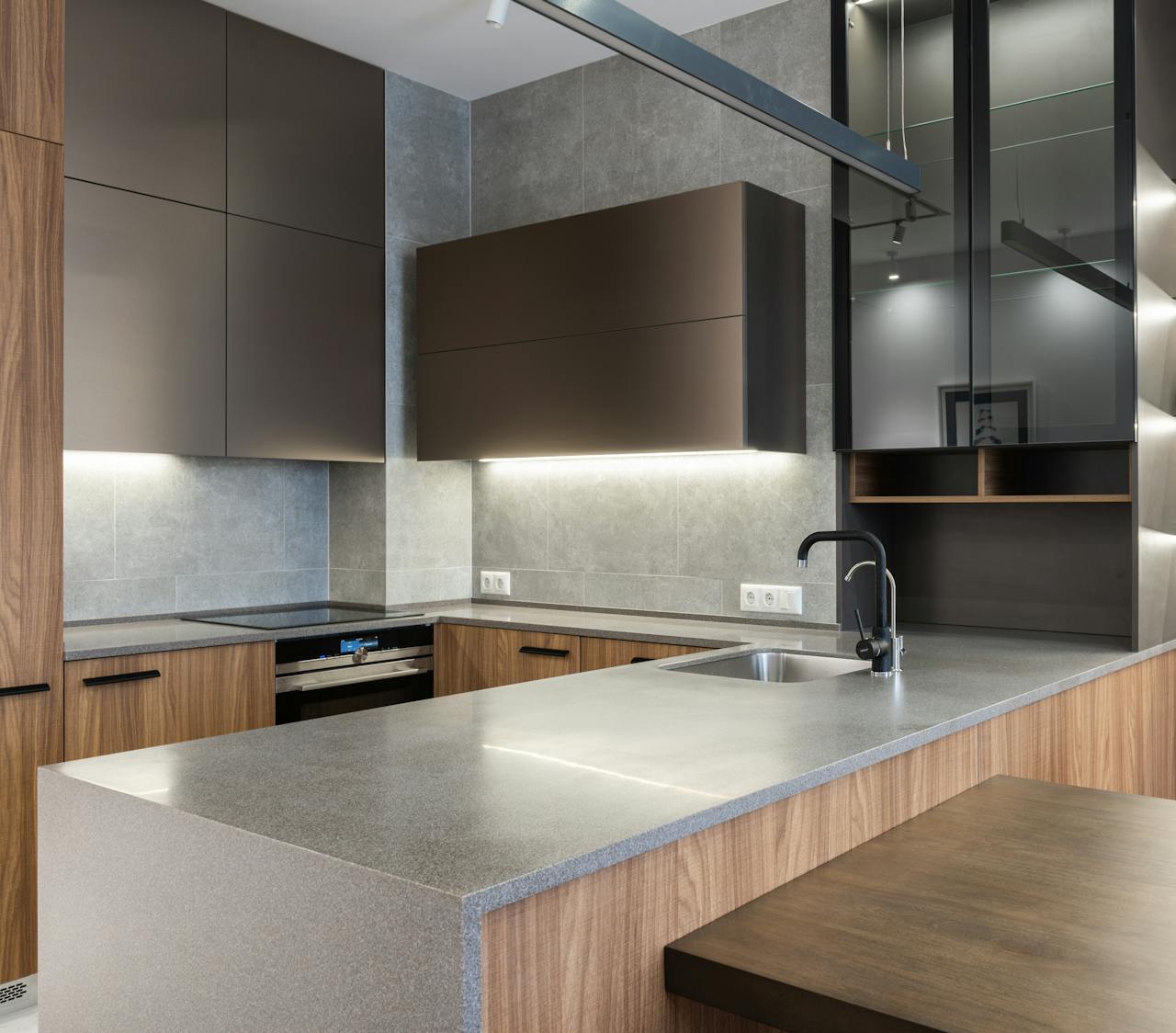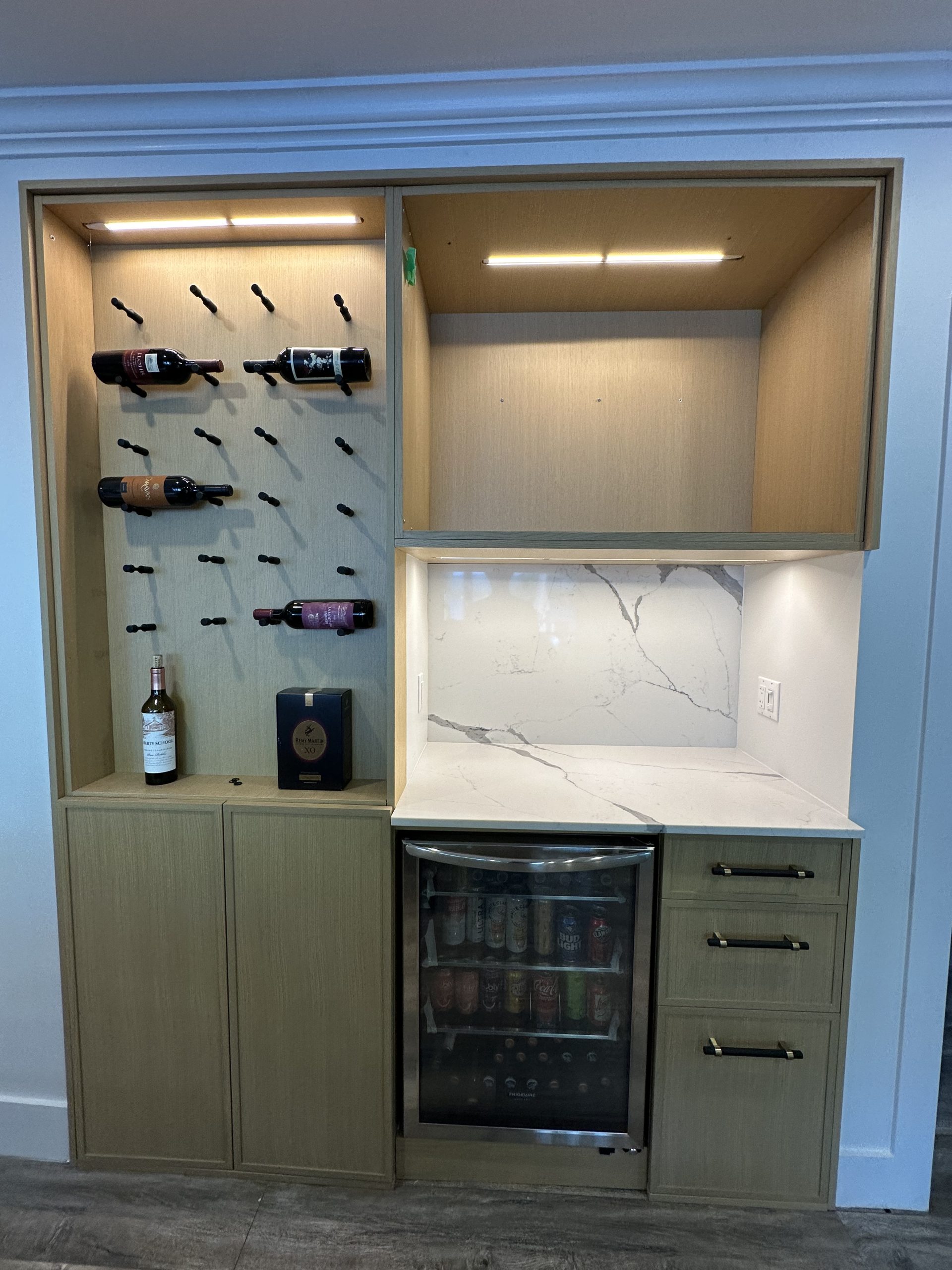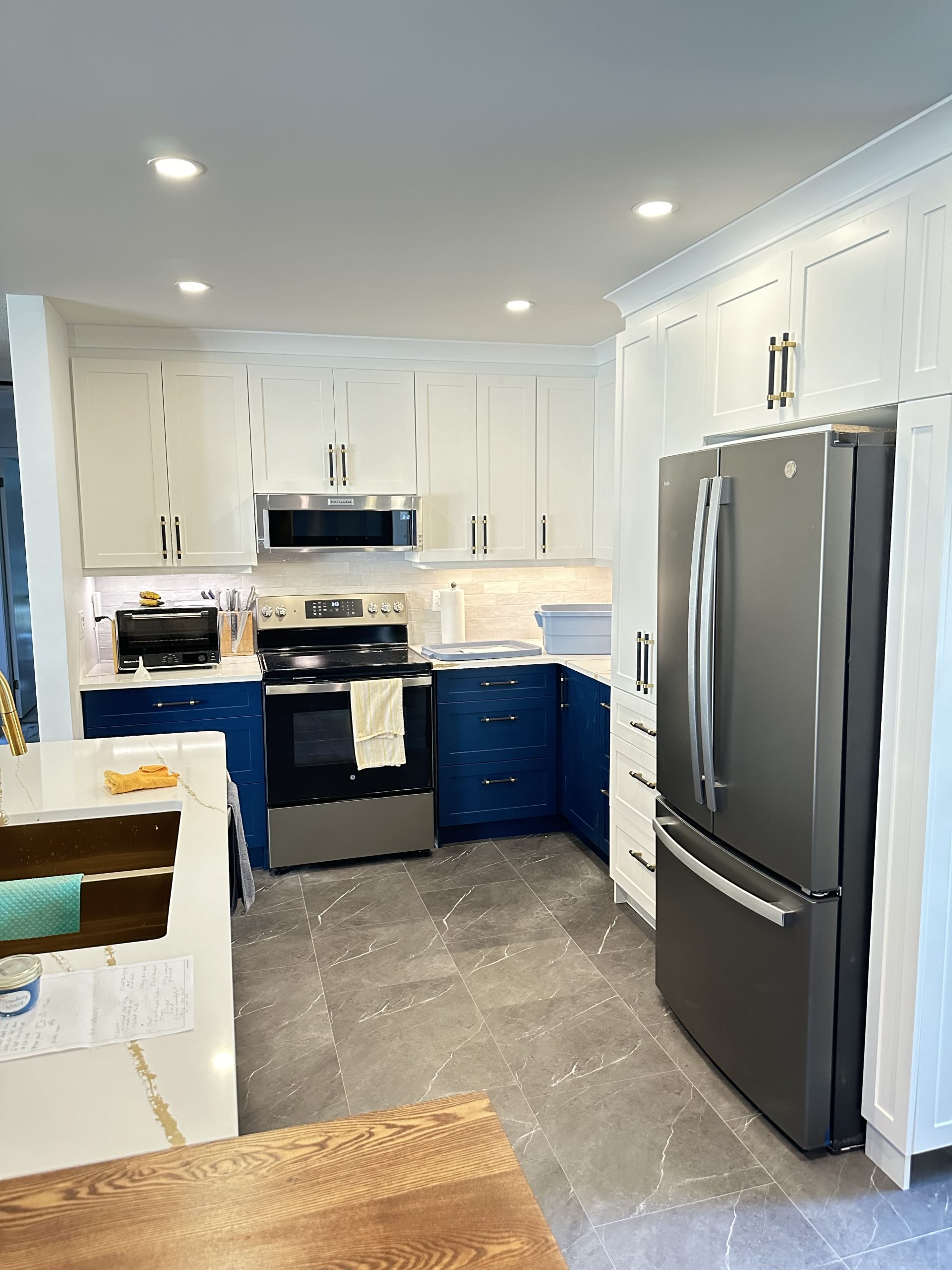
When I work with families in Rockland, the word that matters most isn’t trendy or luxury — it’s efficient.
Family kitchens operate differently from display kitchens. They handle early breakfasts, school lunches, busy evenings, weekend baking, gatherings, and constant movement. If a kitchen renovation doesn’t make daily life easier, it hasn’t done its job.
In Rockland homes, kitchens are often central gathering spaces. They’re not just for cooking. They’re where homework happens, conversations happen, and routines unfold. That means a renovation must go beyond appearance. It must improve workflow, storage, durability, and long-term practicality.
When I plan kitchen renovations for Rockland families, I follow a structured strategy that focuses on performance first — integrating custom cabinetry, quartz surfaces, layout optimization, and storage systems that support real life.
This blog explains exactly how I plan efficient kitchen renovations for Rockland families and why this approach consistently delivers kitchens that feel organized, durable, and built to last.
Step One: I Start With How the Family Uses the Kitchen
Why Lifestyle Dictates Design
Before I begin designing cabinetry or selecting quartz, I focus on daily patterns.
For Rockland families, I ask:
• How many people use the kitchen at once?
• Where do kids naturally gather?
• Is the island used for homework or meals?
• What time of day is the kitchen busiest?
• What causes the most frustration in the current layout?
Efficiency is not about copying a design trend. It’s about aligning the kitchen with real behavior.
Identifying Bottlenecks
Common inefficiencies in Rockland kitchens include:
• Narrow walkways
• Overlapping prep and traffic areas
• Insufficient landing space near appliances
• Poor storage alignment
• Cluttered countertops
My first goal is eliminating these bottlenecks.
Step Two: I Optimize the Layout for Smooth Movement
Why Workflow Is the Foundation of Efficiency
A family kitchen must allow multiple people to move comfortably without congestion.
In Rockland renovations, I focus on:
• Clear paths between sink, stove, and refrigerator
• Dedicated prep zones
• Logical appliance placement
• Sufficient island clearance
• Balanced cabinet distribution
Even small layout adjustments can dramatically improve daily efficiency.
Creating Zones for Family Life
I organize kitchens into functional zones:
• Prep zone
• Cooking zone
• Cleaning zone
• Snack or beverage zone
Separating these areas reduces conflict when multiple people use the space simultaneously.
Step Three: I Design Storage That Supports Daily Routines
Why Storage Determines Efficiency
In busy Rockland households, storage must be intuitive. If items are hard to reach, the kitchen becomes chaotic quickly.
I prioritize:
• Deep drawer systems instead of lower cabinet doors
• Pull-out waste and recycling near prep zones
• Accessible snack storage for children
• Organized pantry layouts
• Drawer dividers for utensils and tools
When storage supports daily routines, the kitchen stays organized with less effort.
Step Four: I Replace Traditional Lower Cabinets With Drawer-Based Systems
Why Drawers Are More Efficient for Families
Lower cabinet doors require bending and digging. Deep drawers offer:
• Full visibility
• Easy access
• Better weight distribution
• Improved organization
For Rockland families, deep drawers are ideal for:
• Pots and pans
• Mixing bowls
• Lunch containers
• Dishware
• Baking trays
Drawer-based storage reduces frustration during busy mornings and evenings.
Step Five: I Maximize Vertical Space
Why Ceiling-Height Cabinets Improve Function
Many kitchens waste vertical space above upper cabinets. In Rockland homes, I often extend cabinetry to the ceiling to:
• Add meaningful storage
• Eliminate clutter-prone gaps
• Create a cleaner visual line
• Increase long-term organization
Uppermost shelves become ideal for seasonal or rarely used items, freeing up accessible storage below.
Step Six: I Integrate Quartz Countertops for Durability and Efficiency
Why Quartz Is Ideal for Rockland Families
Family kitchens experience heavy daily use. Quartz countertops provide:
• Stain resistance
• Low maintenance care
• Durable work surfaces
• Easy cleanup
• Bright, seamless prep areas
Quartz allows families to cook, serve, and gather without worrying about constant upkeep.
Designing Quartz for Workflow
I ensure quartz surfaces:
• Provide uninterrupted prep areas
• Include proper landing zones
• Avoid seam placement in high-use spots
• Align perfectly with cabinetry
Efficiency requires continuous, usable surfaces.
Step Seven: I Design Islands That Actually Work for Families
Why Islands Are Often Under-Optimized
In Rockland homes, kitchen islands are often multi-purpose hubs. But without careful planning, they can create congestion.
I design islands to:
• Provide clear prep space
• Include seating without blocking workflow
• Offer deep storage drawers
• Maintain proper overhang support
• Preserve walking clearance
A well-designed island improves both functionality and family interaction.
Step Eight: I Prioritize Lighting for Both Performance and Atmosphere
Why Lighting Is Essential in Efficient Kitchens
Poor lighting reduces both visibility and comfort.
In Rockland renovations, I incorporate:
• Under-cabinet task lighting
• Even overhead illumination
• Light temperature that complements quartz
• Reduced shadow zones
Bright surfaces combined with proper lighting enhance efficiency and safety.
Step Nine: I Choose Durable Cabinet Construction and Hardware
Why Family Kitchens Need Strong Foundations
Cabinet doors and drawers are opened thousands of times per year in busy homes.
I prioritize:
• Full-extension glides
• Soft-close hinges
• Strong cabinet boxes
• Durable finishes
Quality construction ensures long-term performance and prevents early wear.
Step Ten: I Reduce Visual Clutter for a Calmer Environment
Why Organization Impacts Perception of Efficiency
Even a well-designed kitchen can feel chaotic if clutter dominates the space.
I design storage systems that:
• Hide small appliances
• Provide dedicated charging stations
• Organize pantry items clearly
• Reduce open shelf overload
A visually calm kitchen feels more efficient and easier to manage.
Common Mistakes I Help Rockland Families Avoid
Through experience, I avoid:
• Oversized islands in limited spaces
• Ignoring walkway clearances
• Underestimating storage needs
• Choosing high-maintenance materials
• Treating countertops and cabinets separately
• Leaving pantry planning as an afterthought
Avoiding these issues ensures renovations remain practical long-term.
What an Efficient Rockland Family Kitchen Feels Like
When the renovation is planned properly, families experience:
• Faster morning routines
• Easier meal preparation
• Clearer countertops
• Less daily clutter
• Smoother movement between zones
• Durable surfaces that withstand use
• A kitchen that supports real life
Efficiency improves both productivity and comfort.
Why This Approach Works Specifically for Rockland Homes
Rockland families value practicality, durability, and smart investment. My planning strategy aligns with those priorities by focusing on:
• Functional layout adjustments
• Smart storage solutions
• Integrated quartz surfaces
• Durable construction
• Timeless design decisions
The result is not just a renovated kitchen. It is a kitchen that works better every single day.
Final Thoughts: Efficiency Is the True Measure of a Successful Kitchen Renovation
Planning efficient kitchen renovations for Rockland families means focusing on how the space functions — not just how it looks.
By prioritizing:
• Workflow optimization
• Drawer-based storage
• Vertical space utilization
• Quartz durability
• Lighting integration
• Durable cabinet construction
I create kitchens that support busy households effortlessly.
A family kitchen must handle daily life without strain.
When custom cabinets and quartz surfaces are planned as one integrated system, the result is a space that feels organized, bright, and built to perform for years.
That is the standard I design for in every Rockland renovation.