When I finally made the decision to renovate my Gloucester kitchen, I knew this project needed more than a surface-level update. The issues in my kitchen weren’t cosmetic — they were deeply functional. The storage was outdated and inefficient, the lighting was dim and uneven, the countertops were worn and easily damaged, and the overall layout made even simple tasks feel complicated. I wanted my kitchen to match the standards I saw across many modern Ottawa homes, and that meant approaching this project with a professional, educational mindset.
My goal was to build a space that could stand the test of time, both in terms of design and performance. A kitchen should make daily life easier, not harder, and mine had been doing the opposite for far too long. I was tired of struggling with a layout that didn’t suit my workflow, cabinets that didn’t hold what I needed, and countertops that required constant caution. I needed a kitchen that felt open, bright, durable, and smartly designed — a true modern centerpiece inside my Gloucester home.
Understanding the Real Problems Hidden Inside My Outdated Kitchen
The Cabinetry Had Become a Functional Obstacle
The very first issue I needed to address was the cabinetry. The original cabinets were built in a time when kitchens had fewer appliances, fewer tools, and significantly less storage demand. They were shallow, lacked proper internal organization, and didn’t support ergonomic efficiency. Every time I tried to reach for a pot or pan, I had to bend down or rummage blindly inside dark drawers.
One of the biggest problems was the wasted vertical space. The upper cabinets didn’t extend to the ceiling, leaving a gap that served no functional purpose. It collected dust, made the room feel shorter, and wasted the potential for valuable storage — something every homeowner in Gloucester can appreciate.
From a professional perspective, outdated cabinetry has a direct impact on workflow. When I realized how much time I was wasting dealing with poor storage, it became clear that custom cabinets would be the foundation of my renovation.
The Countertops Weren’t Built for Modern Cooking or Long-Term Use
The next major issue was the countertops. They looked dull and heavily worn from years of use. They were porous, easily stained, and could be scratched with minimal pressure. Their outdated design absorbed light rather than reflecting it, making the entire kitchen feel more enclosed.
As I evaluated materials, quartz immediately became the best option. Ottawa homeowners choose quartz for a reason: it’s durable, non-porous, resistant to scratches and stains, and easy to maintain. I needed something that performed well every day and maintained its clean, bright appearance without constant upkeep.
The Layout Was Working Against Me, Not With Me
The original kitchen layout was one of the biggest contributors to inefficiency. The stove, sink, and refrigerator were placed in a way that didn’t follow the modern “work triangle” concept — the design principle that reduces unnecessary movement during food preparation.
In my kitchen, simple tasks required multiple steps back and forth, and there was no clear division between prep, cooking, and cleaning zones. Whenever friends or family visited, traffic in the kitchen felt congested. I realized that the layout needed more than adjustment — it needed a full redesign grounded in modern workflow standards.
The Lighting System Was Outdated and Poorly Distributed
Lighting is one of the most underrated aspects of a functional kitchen, and mine struggled with dim, uneven illumination. One central ceiling fixture cast shadows, creating dark pockets across my countertops and work areas. This made food prep difficult, affected visibility, and made the kitchen look smaller.
To achieve a modern atmosphere, I needed a lighting system that layered illumination and enhanced every surface in the room.
Building a Professional Renovation Plan With Long-Term Value
Setting Clear, Realistic Goals Guided by Modern Ottawa Kitchen Standards
Before making any design decisions, I needed a detailed renovation plan. Through years of seeing kitchens across Ottawa and Gloucester, I knew what modern homes prioritized: durability, functionality, aesthetic balance, and efficient space use.
To keep myself organized, I defined specific goals for the project:
- Upgrade to custom kitchen cabinets to improve storage and workflow
- Install quartz countertops for superior durability and brightness
- Redesign the entire layout to follow modern workflow principles
- Create a layered lighting system for even, bright illumination
- Introduce a neutral, modern color palette that felt timeless
- Add functional hardware and fixtures to support daily use
- Increase the overall value and longevity of the kitchen
These goals ensured my renovation wouldn’t drift into unnecessary or trendy decisions. Everything I planned served a purpose rooted in performance and long-term reliability.
Why Custom Kitchen Cabinets Became the Smartest Investment
Increasing Storage Through Thoughtful, Tailored Design
When I switched to custom cabinets, the transformation was immediate. Custom cabinetry allowed me to redesign my kitchen from the inside out. Every inch of space could finally be utilized properly.
With custom cabinets, I gained:
- Deep lower compartments for pots, pans, and large appliances
- Full-extension drawers that allowed me to see everything at once
- Vertical storage dividers for cutting boards, pans, and baking trays
- Pull-out organizers for oils, spices, and utensils
- Ceiling-height cabinets that provided maximum storage without clutter
These improvements drastically improved my daily routine. Instead of shifting items around constantly, everything now has a designated place. Storage became intuitive, organized, and efficient — the way a modern kitchen should be.
Achieving a Clean, Modern Aesthetic With Custom Cabinetry
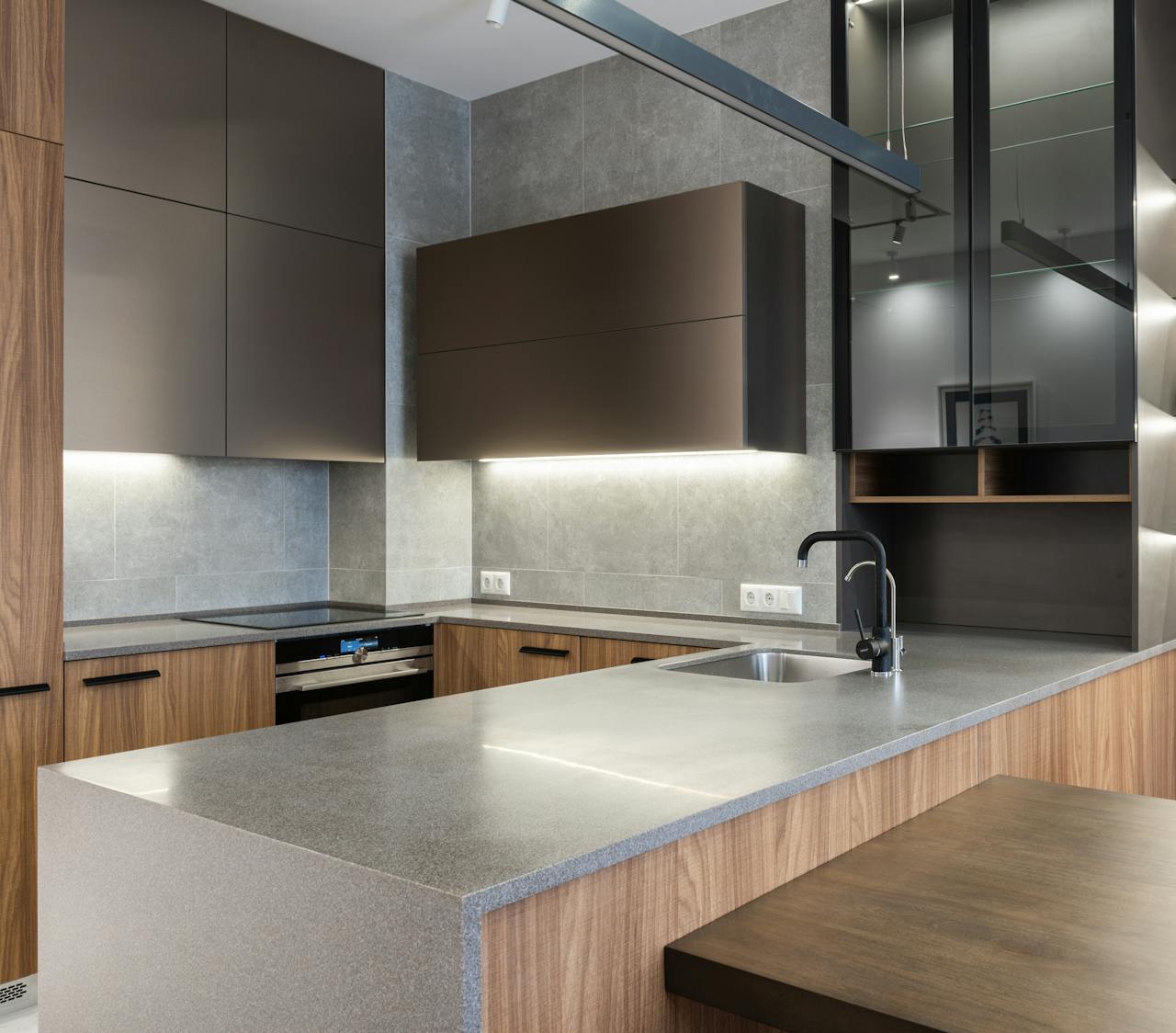
The visual upgrade was equally transformative. I selected a matte finish with clean lines that brought brightness and sophistication into the space. This eliminated the dated look and helped the kitchen feel more open.
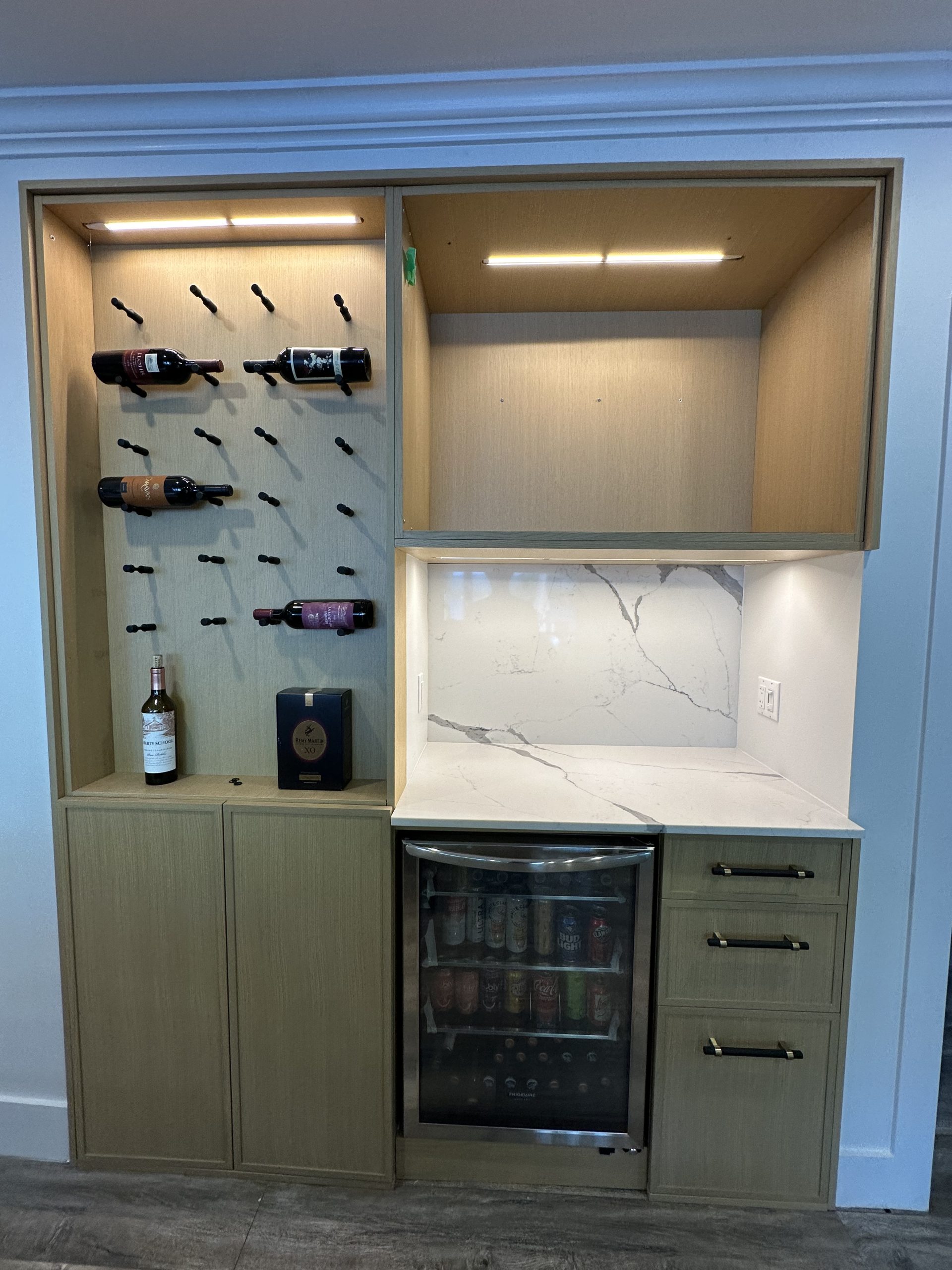
Custom cabinetry framed the quartz countertops perfectly, creating a seamless modern design. The simple, elegant style aligned with the contemporary kitchens I admire across Ottawa.
Why Quartz Countertops Defined the Modern Feel of the Kitchen
Durability and Strength That Outperform Other Materials
Quartz quickly became the ideal choice because of its strength, reliability, and maintenance-free nature. Unlike natural stones that require sealing, quartz is completely non-porous. It resists stains, won’t absorb moisture, and maintains its appearance long-term, making it perfect for everyday cooking.
Brightening the Entire Room Through Light Reflection
One of the most significant benefits of quartz was its ability to brighten the room. The polished surface reflects both natural and artificial light, making the space feel larger and more open. This was especially important in my Gloucester kitchen, where the original finishes made the room feel enclosed.
A Material Choice That Adds Long-Term Value
Quartz also adds value to a home. It doesn’t fall out of style, isn’t limited by trends, and maintains its look for years. Choosing quartz ensured that my renovation wouldn’t need updating anytime soon.
Redesigning the Layout for an Efficient, Modern Workflow
Fixing the Core Issues with the Original Layout
The original layout lacked the structure needed for modern cooking. The sink and stove were too far apart, the refrigerator opened into a cramped walkway, and the prep area was fragmented.
Implementing a True Work Triangle
To solve these problems, I redesigned the kitchen layout based on the professional “work triangle” principle. This ensured that the sink, stove, and refrigerator were positioned in a way that reduced unnecessary movement and improved the efficiency of meal prep.
Creating Dedicated Work Zones for Better Flow
Work zones are essential in modern kitchen design. I created:
- A prep zone with uninterrupted counter space
- A cooking zone with everything within arm’s reach
- A cleaning zone designed for workflow efficiency
- A storage zone with clear organization
This zoning system made cooking easier, cleaner, and much more enjoyable.
Upgrading the Lighting System to Modern Professional Standards
Introducing a Three-Layer Lighting Design
My lighting upgrade became one of the most impactful improvements. I installed a three-layer system:
- Ambient lighting for overall brightness
- Task lighting for precision in work areas
- Accent lighting to highlight features like the quartz backsplash
Creating Balance and Increasing Visibility
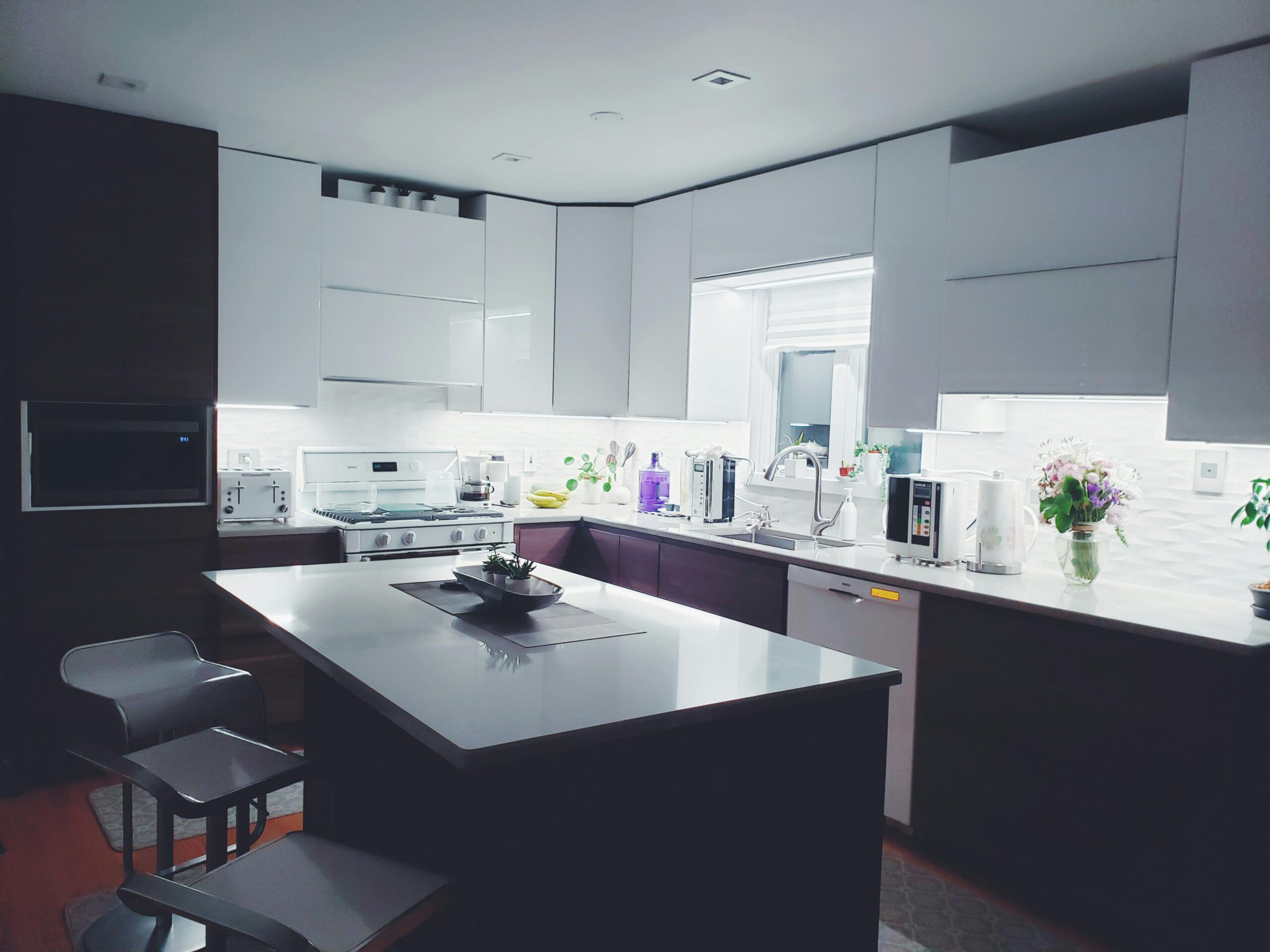
This lighting design eliminated shadows, improved visibility, and made the kitchen feel more open. It highlighted the custom cabinetry and quartz finishes, giving the space a professional, polished appearance.
Selecting Finishes That Completed the Modern Look
Every final detail — backsplash, sink fixtures, cabinet handles, flooring — contributed to the transformation. I chose finishes that complemented the quartz but didn’t overpower it. These subtle choices created harmony and balance across the entire kitchen.
Experiencing the Final Transformation
When the renovation was complete, my kitchen felt like a completely new environment. The quartz countertops brightened the space, the custom cabinets improved storage dramatically, the updated lighting enhanced visibility, and the redesigned layout felt effortless and efficient.
This wasn’t just an upgrade — it was a full reinvention of how I use my kitchen. The renovation created a high-performance, modern space that finally reflects the standards of today’s Ottawa homes.
Final Reflections
This renovation taught me that great kitchens aren’t created by chance — they’re created through careful planning, smart material choices, and a clear understanding of workflow and design. By investing in custom cabinetry, quartz countertops, strategic lighting, and a functional layout, I transformed an outdated Gloucester kitchen into a true modern masterpiece.
It’s a renovation built not just for today, but for many years ahead.