Before I started planning my kitchen renovation in Ottawa, I kept hearing the same comment from friends, contractors, and homeowners: “Kitchen renovations can get expensive fast.” And while that’s true, I realized early on that the real challenge wasn’t just the price — it was understanding where the costs actually come from, how they fluctuate, and which decisions matter most in the long run.
I didn’t want to go into my renovation blindly. I didn’t want surprises halfway through the project. I didn’t want a budget that ballooned out of control. Most importantly, I wanted the renovation to truly improve the value, efficiency, and function of my home, not just give me a new look.
So before I spent a single dollar, I set out to understand every major cost driver behind kitchen renovations in Ottawa — from cabinets and countertops to flooring, lighting, labour, layout changes, plumbing, and more. What I discovered shaped my entire project and helped me make smarter, more financially responsible decisions. It also allowed me to prioritize features that genuinely improved my kitchen’s long-term performance, instead of wasting money on trends or upgrades that didn’t matter.
This blog is a complete breakdown of everything I learned — the truths, the surprises, and the practical insights I gained before ever signing a contract or ordering a single material.
Understanding the Real Cost Structure Behind Ottawa Kitchen Renovations
Why Kitchen Renovation Costs Vary So Widely Across Ottawa
One of the first things I learned is that Ottawa kitchen renovation costs can vary dramatically from home to home, even when the kitchens look similar in size. At first, this made no sense to me. Why would one homeowner spend $30,000 while another spends $65,000 on what appears to be the same project?
The answer became clear once I dug into the details:
kitchen renovations are highly customizable, and Ottawa homes differ significantly in layout, age, electrical systems, plumbing conditions, cabinetry options, and material selections.
Before spending a dollar, I had to understand that a kitchen isn’t a one-size-fits-all project — the age of your home, the condition of your current kitchen, and the layout you want to achieve all directly impact the final price.
Breaking Down the Core Elements That Affect Kitchen Costs
Through research and consultations, I learned that Ottawa kitchen renovation costs fall into several major categories:
- Cabinetry
- Countertops
- Appliances
- Flooring
- Lighting
- Plumbing and electrical adjustments
- Layout changes or structural modifications
- Labour
- Finishing touches and hardware
Some of these categories shocked me in terms of their cost impact, especially cabinetry and labour. Others, like backsplash and hardware, were surprisingly flexible depending on the style I chose.
What I Learned About Cabinet Costs Before Spending a Dollar
Why Cabinets Represent the Majority of a Kitchen Budget
It didn’t take long for me to discover that cabinetry is usually the most expensive part of a kitchen renovation, often making up 35–50% of the total budget. At first, I assumed countertops or appliances would take the top spot, but cabinets dominate for one major reason:
they set the foundation for both function and design.
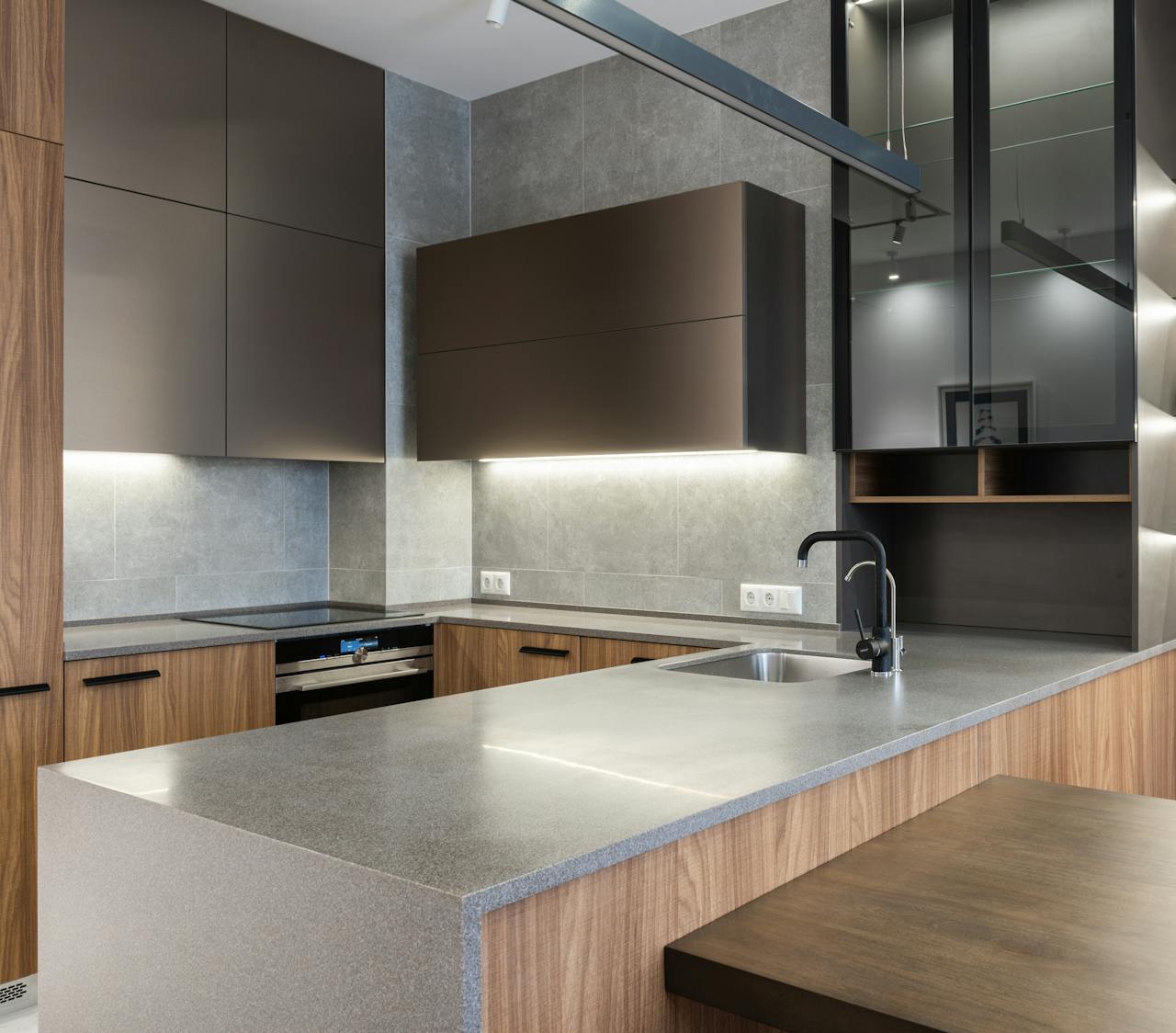
The cabinets determine how much you can store, how organized your daily workflow is, and how the kitchen looks visually. I also learned that the difference between basic stock cabinets and custom cabinets can be dramatic — and the long-term performance difference is even more significant.
Why I Ultimately Prioritized Custom Cabinets
Even before spending money, it became clear that custom cabinets were worth the investment, especially in Ottawa homes where older kitchens waste vertical space or lack proper internal organization.
What convinced me wasn’t just the aesthetic appeal — it was the functionality. Custom cabinets:
- Maximize storage
- Utilize every inch of space (including ceilings)
- Allow better ergonomic movement
- Improve workflow through smart storage zones
Stock cabinets are cheaper upfront but often require compromises that I didn’t want to make. Understanding this early prevented me from choosing a lower-cost option that would have created long-term frustration.
What I Learned About Countertop Costs Before Spending Anything
Quartz Countertops Deliver the Best Balance of Value, Durability, and Design
Before my renovation, I only had a general idea of countertop pricing. But the more research I did, the more I understood why quartz countertops in Ottawa are one of the smartest long-term investments. Yes, they cost more than laminate, but their durability easily justifies the price.
Quartz is:
- Non-porous
- Resistant to stains and scratches
- Easy to clean
- Aesthetically timeless
- A major contributor to home resale value
Understanding this before spending money helped me avoid cheaper alternatives that would have worn down quickly or required ongoing maintenance.
Why Countertop Material Can Change the Budget Dramatically
I learned that the price spread between materials is enormous. Laminate is budget friendly but doesn’t last. Granite varies in price depending on rarity. Quartz offers consistency and long-term reliability. Wood looks warm but requires constant care.
Knowing these factors in advance helped me select quartz confidently, understanding that the upfront cost leads to lower long-term expenses.
Appliances: The Hidden Wildcard in Every Ottawa Kitchen Budget
Why Appliance Choices Can Swing a Budget by Thousands
Before budgeting, I didn’t fully understand how appliance choices impact the total renovation cost. Two kitchens could have the same layout but wildly different budgets depending on the appliances selected.
I learned to ask myself three key questions:
- Do I really need high-end appliances for my cooking style?
- Should I upgrade all appliances at the same time?
- Can I keep certain appliances temporarily and spread costs out?
Understanding this early prevented me from overspending on luxury appliances I didn’t actually need.
What I Learned About Labour Costs (One of the Biggest Surprises)
Labour Often Costs More Than Materials — and It’s Worth It
Before researching Ottawa kitchen renovations, I assumed materials would be the bulk of the cost. I was wrong. Labour, especially skilled labour, can make up 40–50% of the total project.
After speaking with professionals, I understood why:
- Renovations require precision
- Demolition and disposal have costs
- Electrical and plumbing must meet code
- Layout changes require expertise
- Proper installation ensures materials last
In other words, even the best cabinets and countertops will fail if installed incorrectly. Knowing this upfront helped me appreciate the value of quality labour instead of shopping solely based on the lowest price.
Lighting Costs: The Part You Don’t Expect to Matter So Much
Why Modern Kitchens Need Layered Lighting
One of the most important lessons I learned is that lighting has a bigger impact on a kitchen’s total cost—and its final appearance—than most people expect. I realized early on that a kitchen with one overhead light was never going to look modern.
I learned about:
- Ambient lighting
- Task lighting
- Accent lighting
- Under-cabinet lights
- Island pendants
And I learned how much these contribute to both cost and functionality.
Lighting Is Where Small Costs Add Up Quickly
Each light, each fixture, each switch, each dimmer — they all add up. But cutting corners on lighting only leads to regret. This insight helped me prioritize lighting properly from the start.
The Importance of Understanding Layout Costs Before Making Changes
**Small Layout Adjustments = Small Costs
Major Layout Changes = Major Costs**
This was one of the most important lessons. Changing the layout doesn’t just move cabinets — it often means moving electrical, plumbing, ductwork, and structural elements. That means higher labour costs.
Here’s the section where a pointer list actually makes sense:
What increases layout costs most?
- Moving the sink
- Relocating the stove
- Shifting the refrigerator
- Adding or removing walls
- Expanding square footage
- Reconfiguring cabinetry lines
Before spending money, I learned to ask a simple question:
Is the layout change necessary for long-term functionality?
If the answer was no, I didn’t change it.
What I Learned About Hidden Costs (The Ones No One Warns You About)
Renovations Always Have Surprises — Budget for Them
I learned early on that hidden issues almost always surface, especially in older Ottawa homes. Things like:
- Outdated wiring
- Old plumbing
- Uneven floors
- Poor insulation
- Water damage behind cabinets
- Ventilation issues
To avoid panic later, I built a 10–15% contingency budget before even starting the project. That single decision saved me major stress and financial strain later on.
The Biggest Lesson: Not All Costs Are Equal — Some Add Value, Some Don’t
Learning What’s Worth Paying For
Before spending a dollar, I categorized every potential cost into two groups:
Worth the Investment:
- Custom cabinetry
- Quartz countertops
- Updated lighting
- Reliable labour
- Functional layout improvements
Not Worth Overspending:
- Trendy backsplashes
- Ultra-expensive hardware
- Designer faucets
- Premium appliances I won’t fully use
Making this distinction early kept my renovation focused on long-term value instead of short-term excitement.
Final Thoughts: Planning Before Spending Saved My Entire Renovation
Understanding kitchen renovation costs in Ottawa before spending a dollar changed everything about my approach. It helped me prioritize the features that would truly improve my kitchen’s daily performance, durability, and long-term value. It prevented unnecessary expenses, avoided surprises, and gave me the confidence to move forward with a realistic, informed plan.
This knowledge turned a potentially overwhelming project into a controlled, organized renovation that delivered exactly what I wanted — a beautiful, modern, durable kitchen that works for my lifestyle and enhances my home.