One of the most common mistakes I see in Ottawa kitchen renovations happens before construction even begins. Cabinets are selected first, often based on style or colour. Countertops are treated as a follow-up decision, chosen later to “match” what’s already in place.
From a professional standpoint, this approach almost always leads to compromises.
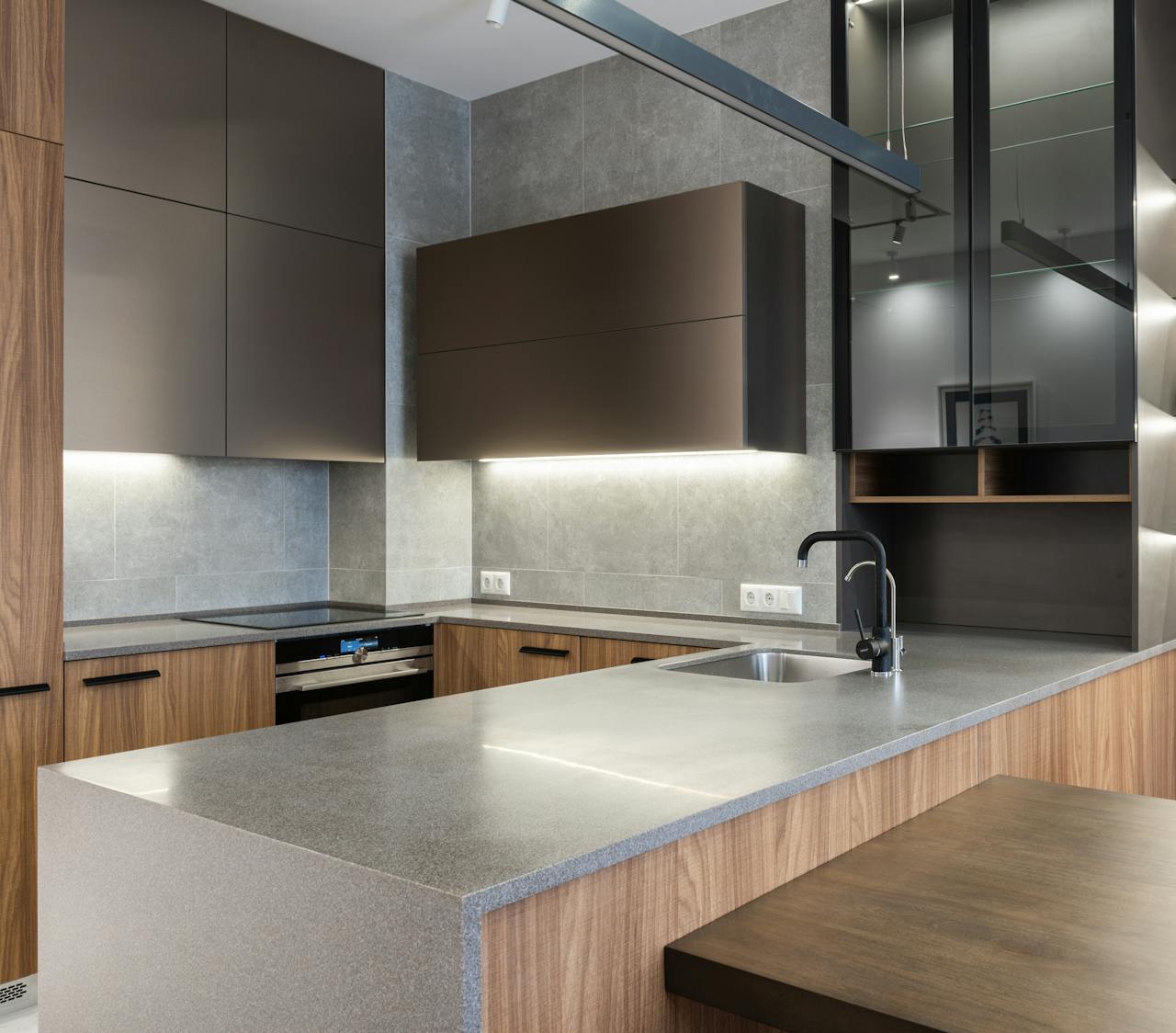
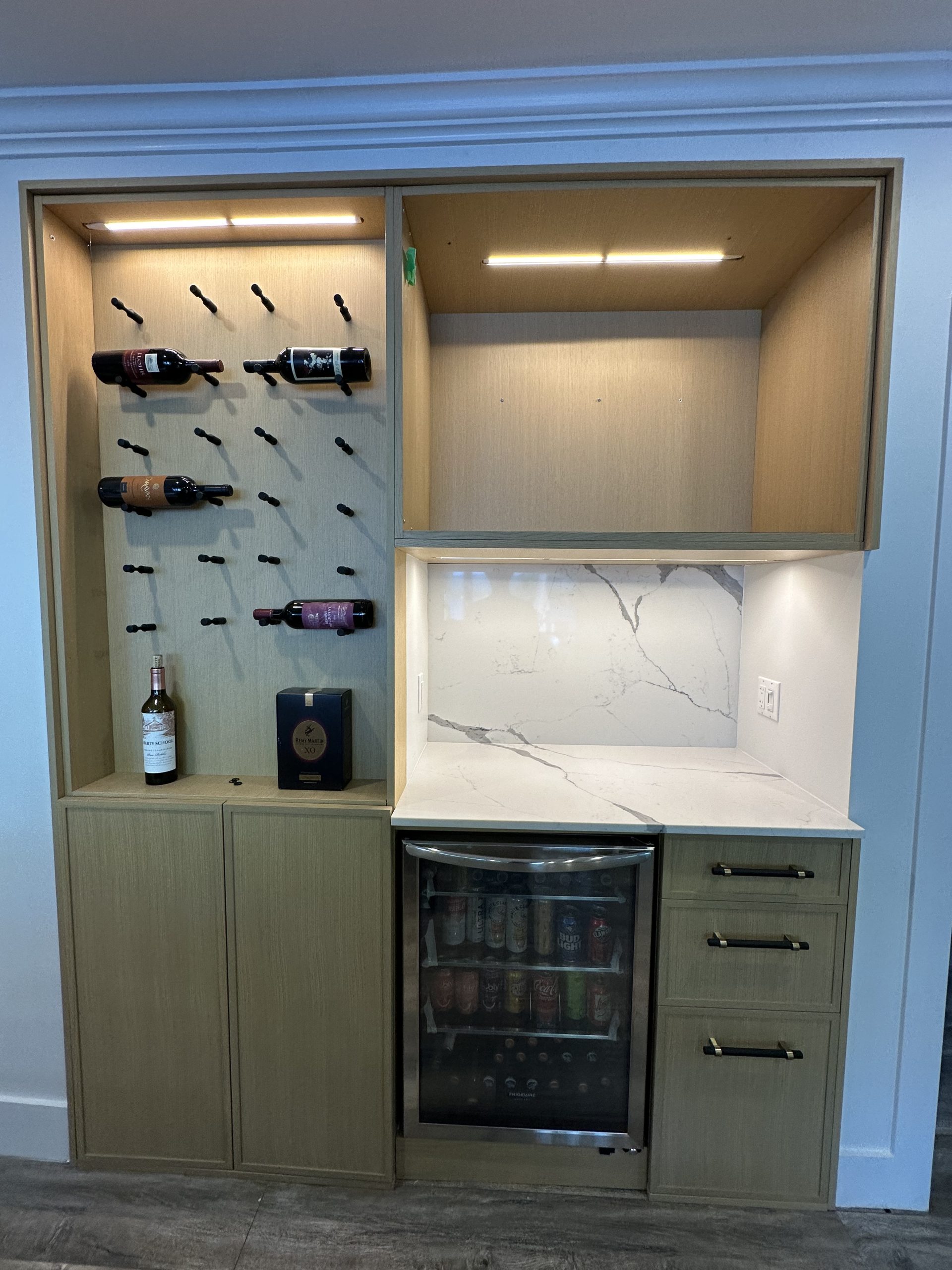
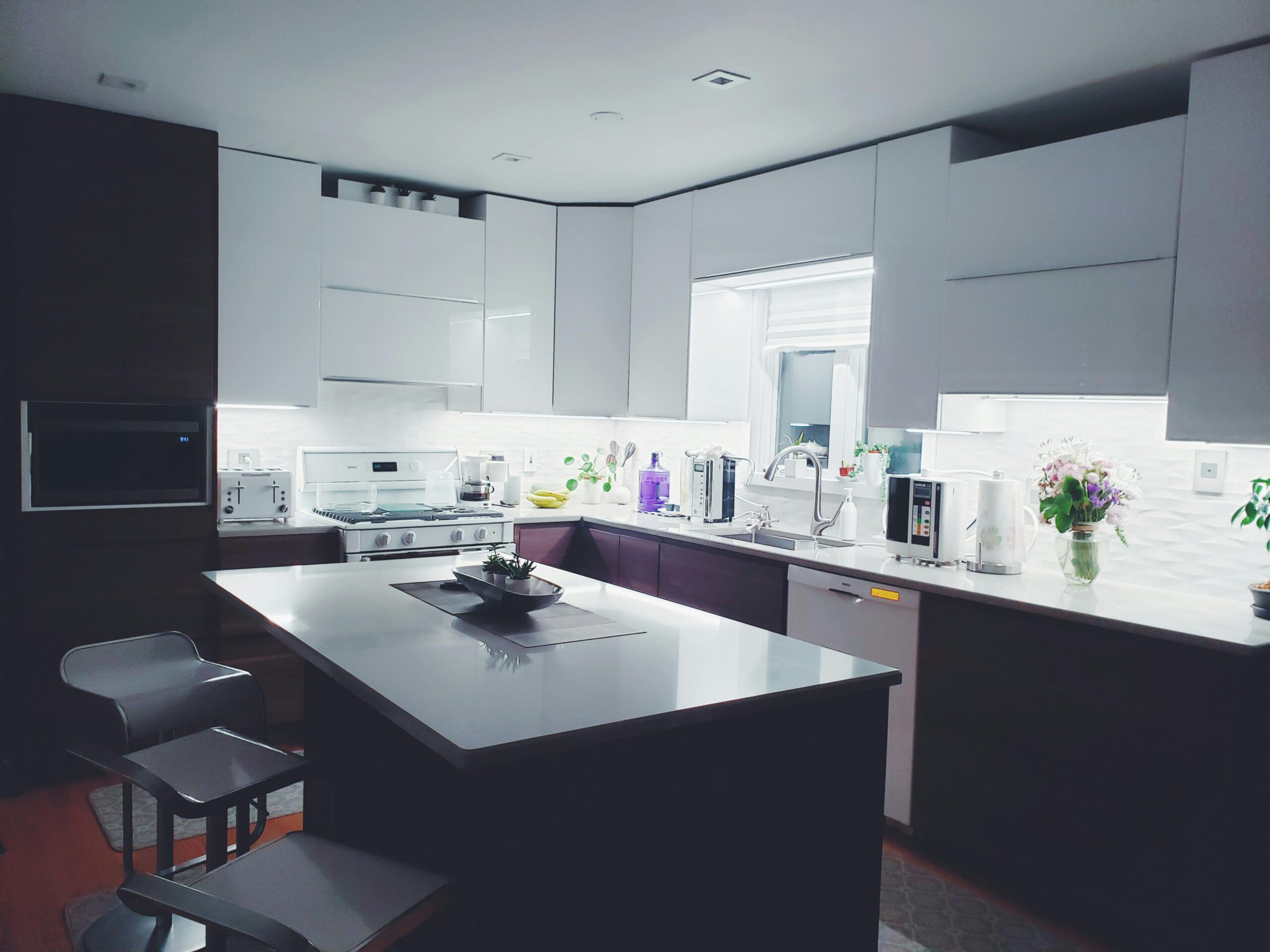
Kitchen cabinets and quartz countertops are not separate design elements. They are structural, functional, and visual partners. When they are designed independently, the kitchen may still look decent, but it will never perform at its best. Workflow suffers, proportions feel off, seams become problematic, lighting behaves poorly, and long-term satisfaction drops.
In Ottawa homes especially — where kitchens vary widely in size, ceiling height, lighting conditions, and usage patterns — cabinets and countertops must be designed together from the very beginning.
This blog explains exactly why I treat cabinetry and quartz as a single system, how this integrated approach improves performance, and why it consistently delivers better kitchen renovations across Ottawa.
Why Cabinets and Countertops Are Functionally Connected
The Cabinet Is the Structure — The Countertop Is the Work Surface
Cabinets determine how a kitchen is organized. Countertops determine how the kitchen is used. Separating these decisions ignores how closely they interact.
Cabinet height affects countertop ergonomics.
Cabinet depth affects usable counter space.
Drawer placement affects how countertops are accessed.
Overhangs affect seating, safety, and support.
Designing one without the other creates inefficiencies that are difficult — and expensive — to correct later.
Performance Begins at the Cabinet–Countertop Interface
In high-performance kitchens, this interface is intentional. Prep zones align with storage below. Seating areas don’t interfere with workflow. Appliances don’t break counter continuity unnecessarily.
This only happens when both elements are designed together.
Why Ottawa Kitchens Require an Integrated Approach
Ottawa kitchens present specific challenges that make integration even more important.
These include:
• A wide mix of older and newer homes
• Varied ceiling heights
• Seasonal lighting changes
• Compact layouts in many neighbourhoods
• Heavy daily kitchen use
In these conditions, design shortcuts become obvious quickly. Integrated cabinet and countertop planning prevents those problems before they appear.
Layout Is the First Reason Cabinets and Countertops Must Be Designed Together
Why Layout Dictates Everything
Layout determines where countertops will be used most. Cabinets must support those zones.
In Ottawa kitchens, I often see issues such as:
• Prep space broken into short counter runs
• Storage located far from work areas
• Seating interfering with movement
• Appliances disrupting counter flow
When cabinets are planned without considering countertop function, these issues become unavoidable.
Designing Zones as a System
I design cabinets and quartz surfaces around clear zones:
• Prep zones with uninterrupted quartz
• Cooking zones with nearby tool storage
• Cleaning zones with accessible waste storage
• Serving or seating zones that don’t block workflow
This zoning only works when cabinets and countertops are planned together.
Cabinet Height and Depth Directly Affect Quartz Performance
Why Cabinet Dimensions Matter
Quartz countertops are heavy, precise surfaces. Their performance depends on proper support and proportion.
Cabinet height affects:
• Countertop ergonomics
• Visual balance
• Light reflection
• Backsplash alignment
Cabinet depth affects:
• Prep space usability
• Appliance clearances
• Overhang feasibility
When cabinet dimensions are finalized without considering quartz, compromises follow.
Storage Design Must Align With Countertop Use
Why Countertops Fail Without Proper Storage Below
A countertop is only as useful as the storage beneath it.
If drawers don’t align with prep areas, the counter becomes inefficient. If heavy cookware is stored far from cooking zones, workflow suffers. If appliances have no proper storage, counters become cluttered.
I design storage and countertops together so:
• Prep tools live directly below prep surfaces
• Cooking tools sit near the cooktop
• Small appliances don’t live permanently on the counter
• Counter space stays clear and usable
This alignment dramatically improves daily performance.
Quartz Selection Depends on Cabinet Decisions
Why Quartz Should Never Be Chosen in Isolation
Quartz colour, pattern, and finish behave differently depending on what surrounds them.
Cabinet colour influences how quartz undertones read.
Cabinet finish affects light reflection.
Cabinet height affects how quartz visually anchors the room.
Choosing quartz without finalized cabinet details often leads to mismatched undertones or unbalanced contrast.
Balancing Warm and Cool Elements
In Ottawa kitchens, I frequently balance:
• Warm cabinetry with cool-neutral quartz
• Neutral cabinets with subtle veining
• Matte cabinet finishes with polished quartz
This balance prevents kitchens from feeling either too cold or too heavy — but it only works when both elements are selected together.
Seam Planning Is a Cabinet Decision Too
Why Seam Placement Starts With Cabinet Layout
Quartz seams aren’t just a countertop issue. They are directly influenced by cabinet layout.
Poor cabinet planning can force seams into:
• Primary prep areas
• Sink zones
• Seating areas
• Visually prominent locations
By designing cabinets and quartz together, I plan seams to align with cabinet breaks, minimize visual disruption, and preserve performance.
Overhangs, Seating, and Support Must Be Coordinated
Why Seating Areas Require Integrated Design
In Ottawa kitchens with islands or peninsulas, seating is common — and often poorly planned.
Overhang depth, support requirements, and seating clearance all depend on cabinet structure and quartz thickness.
Designing cabinets first and “adding seating later” often results in:
• Awkward legroom
• Excessive support posts
• Structural compromises
• Uncomfortable seating
Integrated planning prevents these issues.
Lighting Interacts With Both Cabinets and Quartz
Why Lighting Design Depends on Integration
Lighting doesn’t exist independently in a kitchen. It interacts with surfaces.
Cabinets create shadows.
Quartz reflects light.
Undertones shift under different lighting temperatures.
When cabinets and quartz are designed together, lighting can be planned to:
• Eliminate shadow lines
• Enhance quartz brightness
• Improve task visibility
• Create depth and openness
This is especially important in Ottawa, where natural light varies significantly by season.
Material Quality and Construction Are Interdependent
Why Quartz Demands Proper Cabinet Construction
Quartz requires stable, level, well-constructed cabinetry. Weak cabinet boxes, poor leveling, or inadequate support compromise quartz installation and longevity.
Designing cabinets and countertops together ensures:
• Proper load distribution
• Accurate templating
• Long-term stability
• Clean transitions
High-performance kitchens rely on this coordination.
Timeline Planning Depends on Integrated Design
Why Separate Decisions Create Delays
Cabinets must be installed before quartz can be templated. If cabinet decisions change late, quartz timelines shift. If quartz thickness changes, cabinet details may need adjustment.
Integrated planning prevents:
• Redesign during installation
• Delayed templating
• Re-fabrication
• Schedule disruptions
This keeps Ottawa kitchen renovations on track.
Long-Term Durability Requires Integrated Thinking
Why Performance Over Time Matters
Kitchens are long-term investments. Cabinets and countertops age together.
Integrated design ensures:
• Balanced wear patterns
• Consistent visual aging
• Timeless proportions
• Flexibility for future updates
When these elements are mismatched, one often outlasts or visually outdates the other.
Common Problems Caused by Designing Separately
Through experience, I’ve seen what happens when cabinets and quartz are designed independently:
• Poor seam placement
• Awkward counter heights
• Storage that doesn’t support prep
• Visual imbalance
• Lighting issues
• Structural compromises
• Regret after installation
These problems are preventable — but only through integration.
Why My Integrated Approach Works in Ottawa Homes
Ottawa homes are diverse, but the principles of good design remain consistent.
By designing cabinets and quartz countertops together, I deliver kitchens that:
• Function smoothly every day
• Feel open and organized
• Handle heavy use
• Reflect light effectively
• Maintain long-term value
• Feel intentional and cohesive
This approach adapts to any kitchen size or style.
The Result: Kitchens That Feel Effortless to Use
When cabinets and quartz countertops are designed as a system:
• Cooking feels easier
• Storage makes sense
• Counters stay clear
• Movement flows naturally
• The kitchen feels calmer
• The design feels finished
That’s the difference integration makes.
Final Thoughts: Integration Is Not Optional in Ottawa Kitchen Design
Designing kitchen cabinets and quartz countertops together is not a luxury or an extra step. It’s a requirement for high-performance kitchens — especially in Ottawa homes.
This integrated approach ensures that form supports function, materials work in harmony, and the kitchen performs well for years to come.
When cabinetry and quartz are planned as one system, the result is not just a better-looking kitchen — it’s a better-working one.
And in Ottawa homes, where kitchens truly matter, that integration makes all the difference.