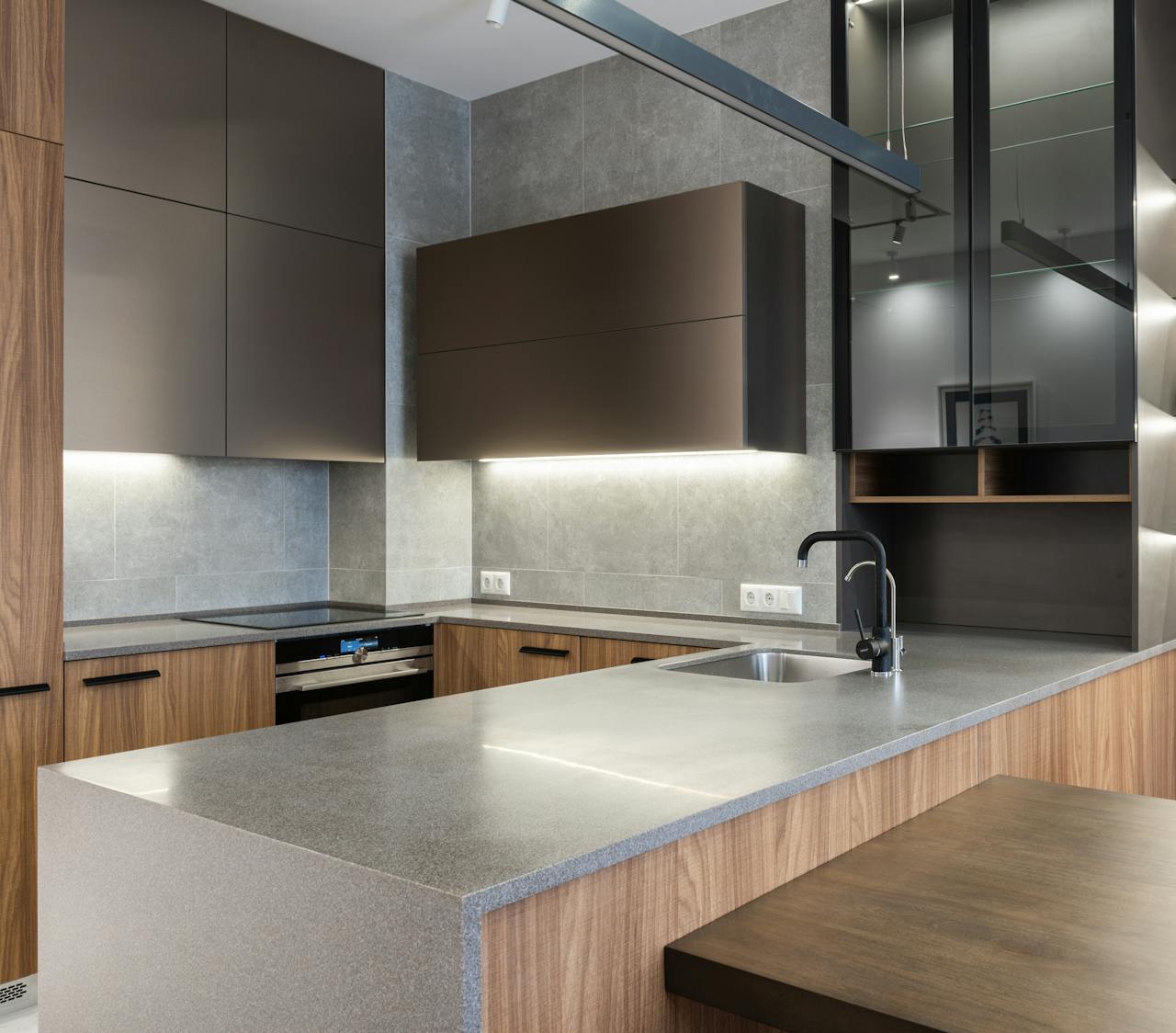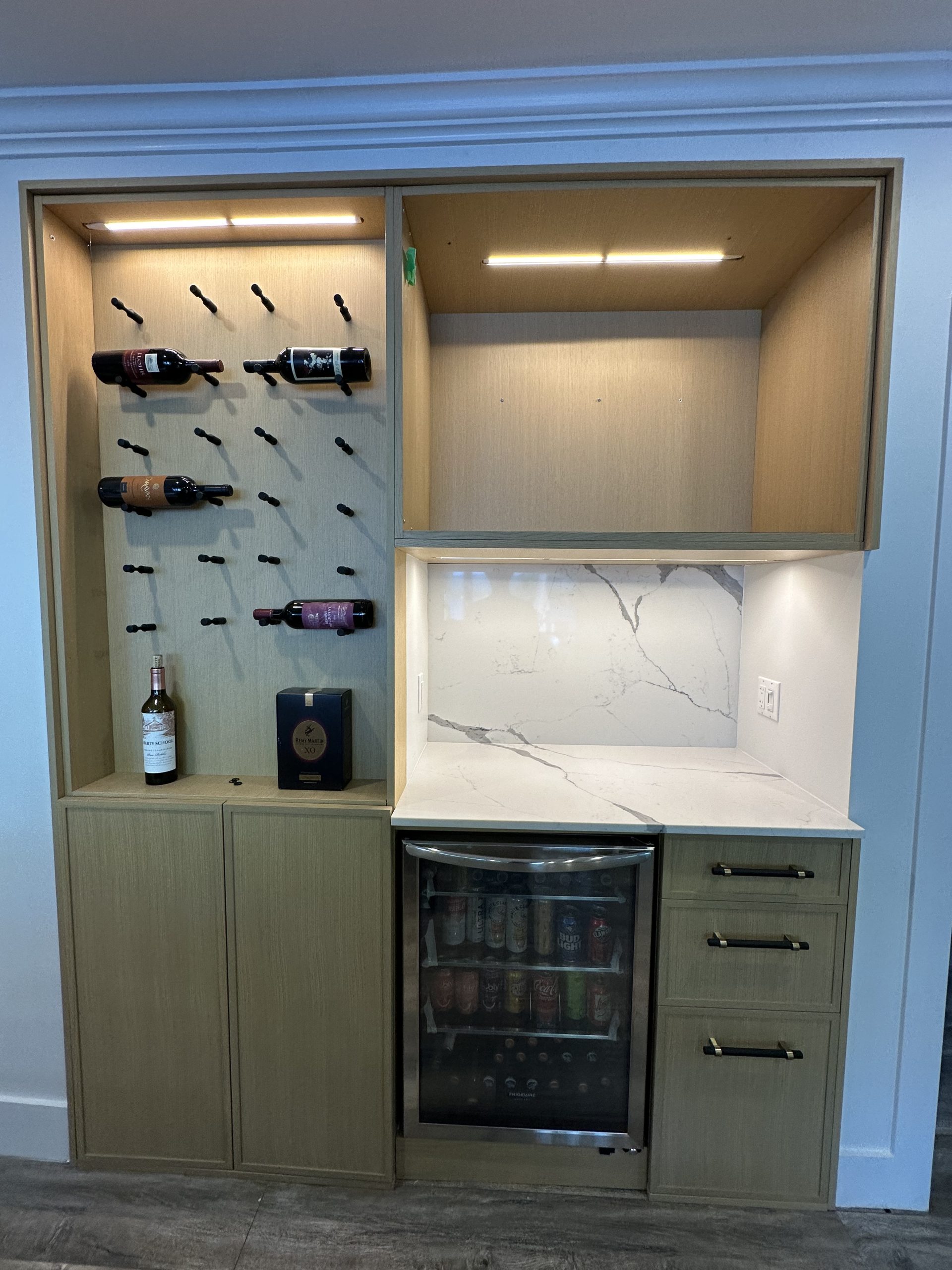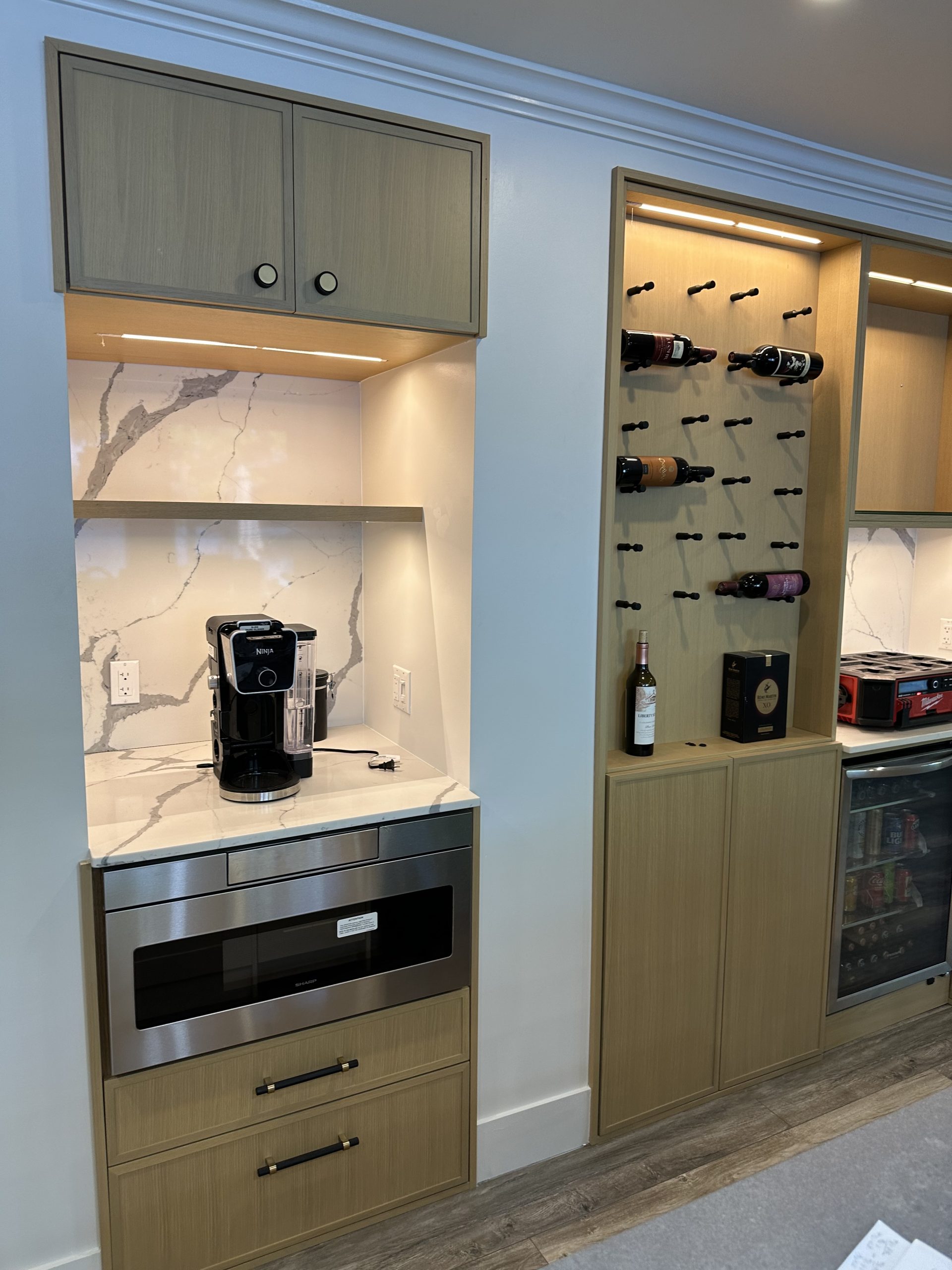
When homeowners in Plantagenet decide to renovate their kitchen, most initial conversations revolve around finishes. Cabinet colours. Quartz styles. Hardware choices. Backsplash ideas. All of these elements matter — but they are not what determines whether a renovation truly succeeds.
The biggest difference in any kitchen renovation is layout.
More specifically, cabinet layout planning.
You can install beautiful quartz countertops and high-end cabinetry, but if the cabinet layout is poorly planned, the kitchen will still feel inefficient. Movement will feel awkward. Storage will feel frustrating. Countertops will clutter. And over time, the excitement of renovation fades.
In Plantagenet homes, where kitchens often serve as the core of family life, smart cabinet layout planning is what separates a cosmetic update from a functional transformation.
When I approach kitchen renovations in Plantagenet, I treat cabinet layout as the foundation of the entire project. Every decision — from quartz integration to lighting placement — flows from that foundation.
This blog explains why smart cabinet layout planning makes the biggest difference in Plantagenet kitchen renovations and how I design layouts that improve daily life for years to come.
Why Layout Planning Matters More Than Materials
Cabinet layout determines:
• How efficiently you move through the kitchen
• Where storage is located
• How much usable counter space exists
• Whether multiple people can cook comfortably
• How clutter accumulates
• How bright and open the space feels
Without thoughtful layout planning, even high-quality materials cannot compensate for poor structure.
In Plantagenet renovations, I’ve seen kitchens where cabinets were replaced but layout remained unchanged — and the inefficiencies remained too.
The transformation begins with rethinking structure.
Step One: I Study How the Kitchen Is Actually Used
Before redesigning cabinet placement, I evaluate how the kitchen currently functions.
I ask:
• Where do most prep tasks happen?
• Does traffic pass through cooking zones?
• Where does clutter build up?
• Are appliances too far apart?
• Are multiple people using the kitchen simultaneously?
In Plantagenet homes, kitchens are often gathering spaces. That means layout must support both cooking and social interaction without congestion.
Real-world usage patterns drive cabinet layout decisions.
Step Two: I Design Around Functional Zones
One of the most powerful layout strategies is organizing cabinetry into clearly defined zones.
In Plantagenet kitchen renovations, I design around:
• Prep zones
• Cooking zones
• Cleaning zones
• Pantry zones
• Beverage or snack zones
Each zone includes cabinets positioned to support the task directly above or beside it.
For example:
Prep zones store cutting boards, knives, and mixing bowls beneath the main quartz surface.
Cooking zones keep pots, pans, and utensils within arm’s reach of the cooktop.
Cleaning zones place dishware near the dishwasher for efficient unloading.
When zones are properly aligned, movement becomes natural and efficient.
Step Three: I Replace Inefficient Cabinet Configurations
Many outdated kitchens rely heavily on lower cabinet doors with deep shelving. These create storage black holes where items get stacked and forgotten.
In Plantagenet renovations, I often replace:
• Standard lower cabinets with deep drawers
• Fixed shelving with adjustable systems
• Wasted corner cabinets with accessible solutions
Drawer-based lower cabinetry improves visibility, access, and organization dramatically.
Layout planning is about making storage usable — not just abundant.
Step Four: I Plan for Uninterrupted Quartz Countertop Runs
Cabinet layout directly affects countertop continuity.
Short, fragmented counter sections make kitchens feel cramped and inefficient.
When planning cabinet layout, I focus on:
• Creating longer quartz prep surfaces
• Reducing unnecessary breaks in counter runs
• Aligning seams away from high-use areas
• Ensuring proper landing space near appliances
Quartz countertops perform best when supported by intelligent cabinet positioning.
In Plantagenet homes, maximizing prep continuity makes kitchens feel both larger and more functional.
Step Five: I Maximize Vertical Storage
Vertical space is often underused in older kitchens.
Short upper cabinets create visual gaps and limit storage.
When redesigning cabinet layout in Plantagenet homes, I often:
• Extend cabinetry to the ceiling
• Incorporate tall pantry units
• Use vertical dividers for trays and boards
Vertical layout planning increases storage capacity without expanding footprint.
It also improves the kitchen’s visual height and openness.
Step Six: I Consider Traffic Flow and Walkway Clearance
One of the most common layout problems in Plantagenet kitchens is traffic congestion.
When cabinet placement doesn’t consider walkways, movement becomes awkward.
I evaluate:
• Island spacing
• Clearance between opposing cabinet runs
• Appliance door swing space
• Entry and exit pathways
Proper cabinet layout ensures multiple people can move comfortably without interruption.
Efficiency is about movement as much as storage.
Step Seven: I Integrate Islands Strategically
Kitchen islands can either improve or hinder layout.
In Plantagenet renovations, I design islands to:
• Provide additional storage
• Expand prep surface
• Include seating without blocking workflow
• Maintain proper clearance on all sides
Islands should enhance cabinet layout, not complicate it.
The right proportions make all the difference.
Step Eight: I Align Storage With Daily Habits
Layout planning must reflect real routines.
In family kitchens, I often incorporate:
• Dedicated snack drawers
• Accessible lunch prep zones
• Coffee station cabinetry
• Pull-out waste near prep areas
• Drawer dividers for utensils
When storage aligns with habits, clutter decreases and organization improves.
Cabinet layout should make daily routines easier — not require adjustment.
Step Nine: I Choose Durable Construction to Support the Layout
Even the smartest layout fails if cabinet construction is weak.
In Plantagenet projects, I prioritize:
• Strong cabinet boxes
• Full-extension glides
• Soft-close hinges
• Reinforced island bases
• Proper leveling for quartz support
Durability protects the layout long-term.
Structure matters just as much as placement.
Step Ten: I Keep the Design Timeless
Layout planning also affects how the kitchen ages visually.
Trend-heavy layouts with oversized islands or excessive open shelving can feel dated quickly.
I focus on:
• Balanced proportions
• Clean cabinet lines
• Neutral, adaptable finishes
• Quartz selections that complement cabinetry
• Storage solutions that remain relevant
Timeless layout design protects the renovation investment.
Common Layout Mistakes I Help Plantagenet Homeowners Avoid
Through experience, I prevent:
• Oversized islands in limited spaces
• Ignoring vertical storage
• Keeping inefficient lower cabinets
• Placing appliances too far apart
• Fragmenting countertop surfaces
• Underestimating walkway clearance
• Designing storage without zoning
Avoiding these mistakes ensures renovations truly improve daily life.
What Smart Cabinet Layout Planning Delivers
When cabinet layout is thoughtfully designed, Plantagenet homeowners experience:
• Faster meal preparation
• Smoother cleanup
• Clearer countertops
• More intuitive storage
• Better traffic flow
• A kitchen that feels larger
• Increased home value
The improvement is not just visible — it is felt every day.
Why Layout Makes the Biggest Difference
Materials can be replaced later. Hardware can be updated. Lighting can evolve.
But layout defines how the kitchen functions for years.
Smart cabinet layout planning determines:
• Whether the kitchen feels organized
• Whether cooking feels efficient
• Whether storage supports daily life
• Whether countertops stay clear
• Whether the space feels open and bright
That is why layout is the most important decision in any Plantagenet kitchen renovation.
Final Thoughts: Smart Planning Before Beautiful Finishes
In Plantagenet kitchen renovations, beautiful finishes are important — but they are secondary to structure.
By focusing on:
• Functional zoning
• Drawer-based storage
• Quartz integration
• Vertical space utilization
• Traffic flow optimization
• Durable construction
I create kitchens that are not only attractive, but efficient, organized, and built to last.
Smart cabinet layout planning is not glamorous.
But it is the reason a renovation feels transformative rather than superficial.
And in Plantagenet homes, that difference matters.